
How to Dress Like a Rapper in 2026

Knowing how to dress like a rapper in 2026 means reading the codes the culture built and wearing them like they are yours, not copying a chart-topper down to the laces. The second a fit looks rented, the whole thing falls apart. Rapper style has always been a language, and the fits speak before you do. If you want the sourcing side rather than the styling side, we mapped where rappers get their clothes across five channels. This guide walks the look head to toe, the pieces that carry weight, and the rules that keep a rapper outfit from sliding into costume.

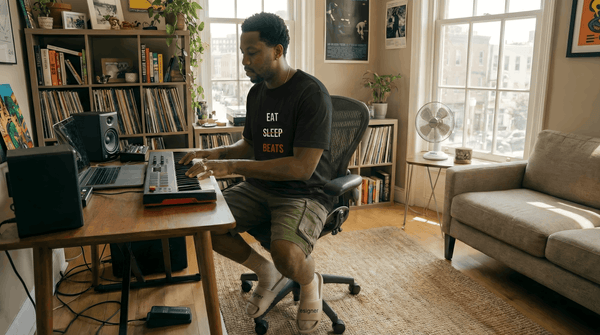
Pictured: the Eat Sleep Beats Repeat hoodie.
What to wear it with
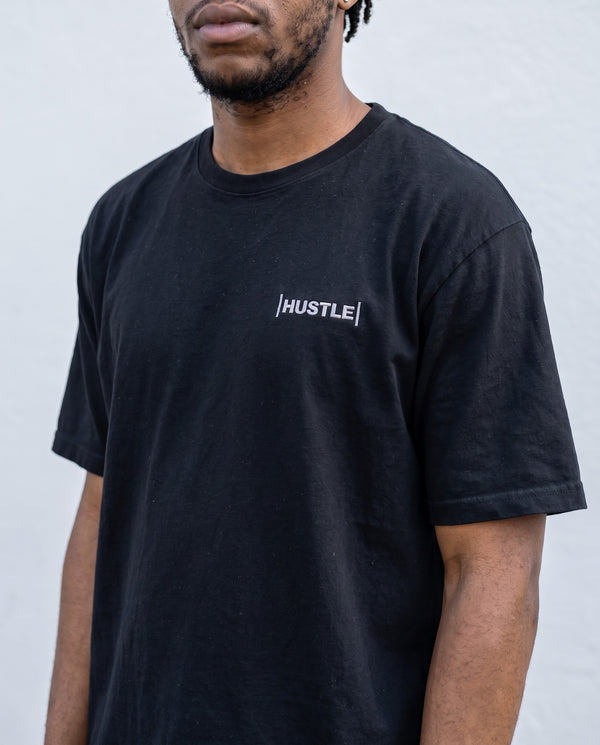
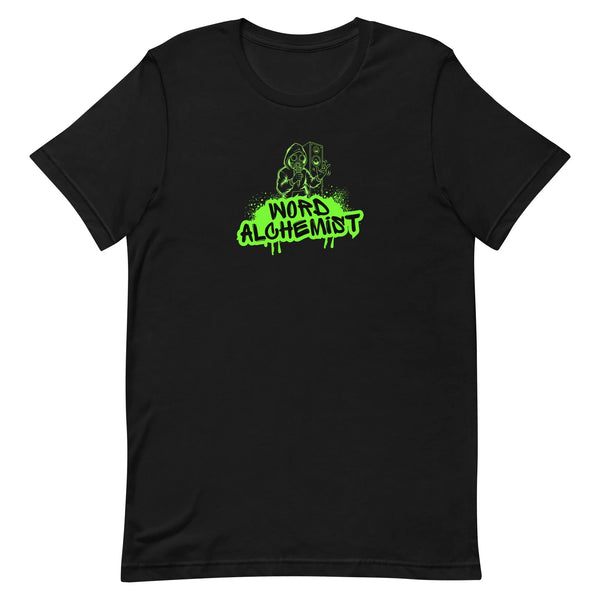
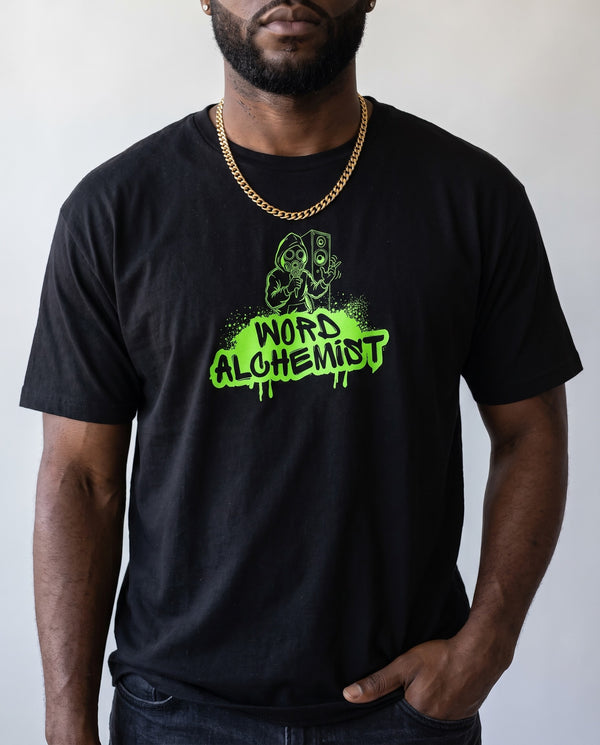
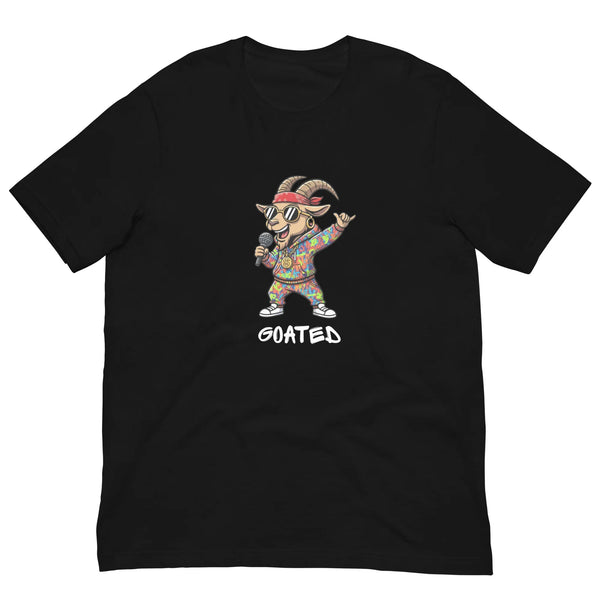
Four pieces that match what you are reading. Free shipping, no minimum, 14 day returns.
The one rule: authenticity over costume
The best rapper style is lived in, not assembled the night before a video shoot. The difference is obvious to anyone watching. A guy who threw on every trend at once reads like a Halloween aisle. A guy wearing two or three pieces that mean something to him reads like an artist. So before you buy anything, ask what you actually want to say. Your sound, your city, your lane. The clothes are supposed to back that up, not invent it.
This is also where Ghostnote draws its line. The pieces are made for the people behind the music, not printed for fans chasing a logo. If you make the work, the fit should reflect the work, and everything below serves that idea.
Start with the silhouette
Before color, before graphics, get the shape right. Silhouette is what people register from across the room, and in 2026 the dominant rapper outfit reads oversized up top and tapered or relaxed below. That means a structured crewneck or a roomy hoodie sitting wide on the shoulders, paired with cargos, relaxed denim, or sweats that hold a clean line at the ankle.
The trap is going oversized everywhere at once. Baggy on baggy turns a confident silhouette into a shapeless one. Pick one volume and let the other piece balance it. Big top, leaner bottom. Or a fitted layer under an open overshirt. Proportion is the part most people skip, and it is the part that separates a styled fit from a pile of clothes. Get this right and even a plain palette looks intentional. None of this volume is new: the history of hip-hop fashion traces the 1990s taste for baggy clothing to a piece handed down from an older, bigger relative and worn as a sign of toughness. You are working inside a code with a long memory, so carry the volume on purpose.
Hoodies, sweatshirts and statement tees
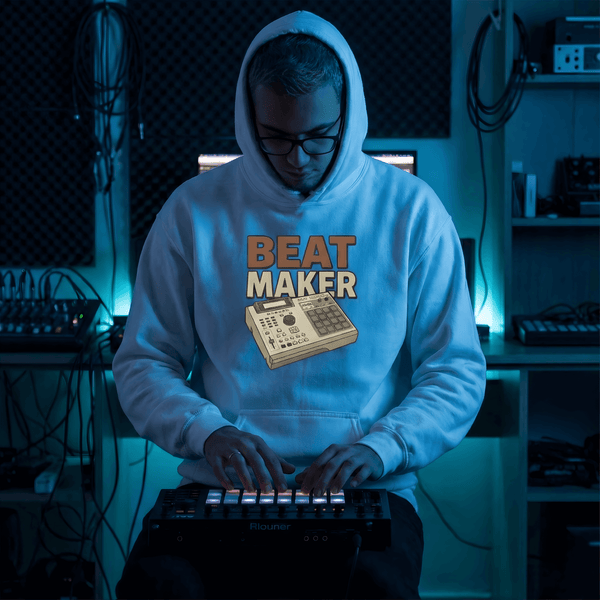
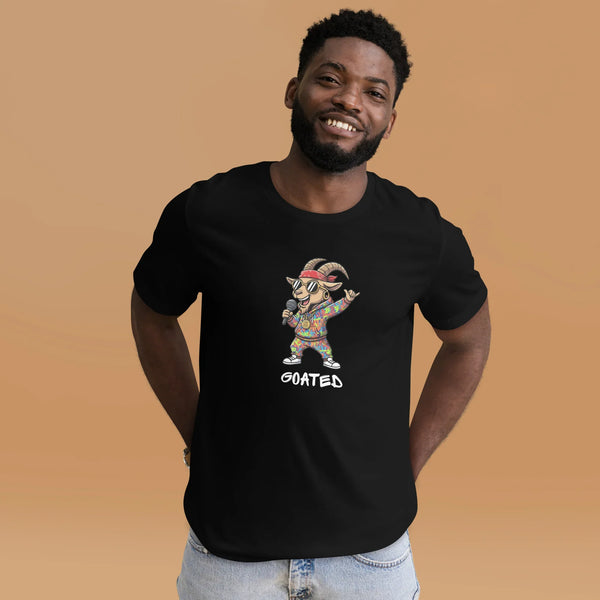
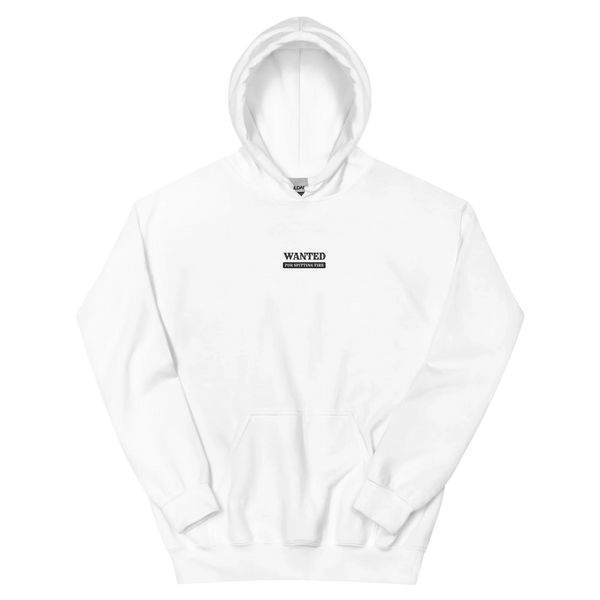
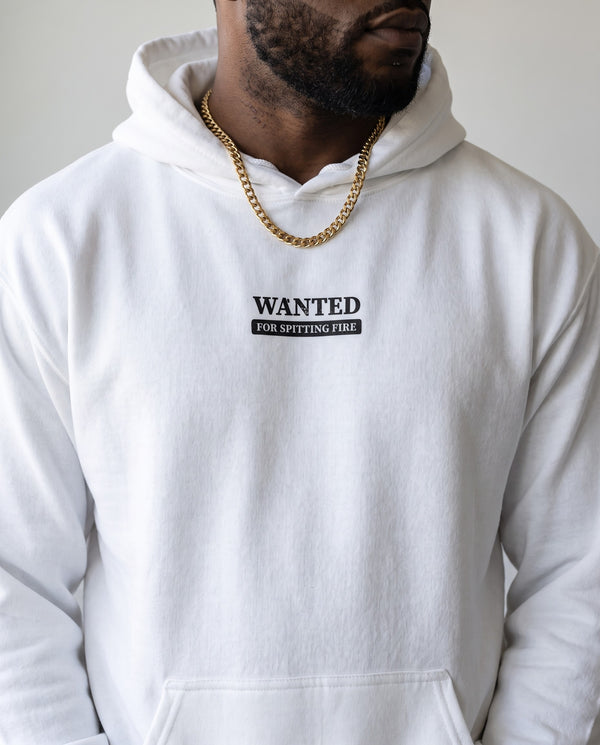
The torso is where rapper style lives. For the crewneck end of it, the rapper sweatshirts guide covers what to look for. A hood, a crew, or a tee carries the graphic, sets the tone, and does most of the talking. Start with a midweight fleece hoodie you can build a week around, then add a statement tee for the days you want the message louder than the layers. Our own line ranked by who each piece is built for is in the best hip hop hoodies of 2026.
Weight matters more than people admit. A thin, papery hoodie drapes badly and dies after a few washes. A midweight fleece holds its shape, sits right on the shoulders, and reads expensive even when it is not. Our rapper hoodies are cut and weighted with that in mind, so the silhouette stays sharp instead of sagging into the costume zone. Rotate two or three so you are never reaching for the same washed-out piece on shoot day.
Graphics are the other half. The strongest ones say something true to you instead of shouting a brand name. A bar, an inside reference, a nod to the craft. That kind of signal pulls the right people in and filters everyone else out, which is exactly what a working artist wants from a fit.
Headwear: beanies and caps
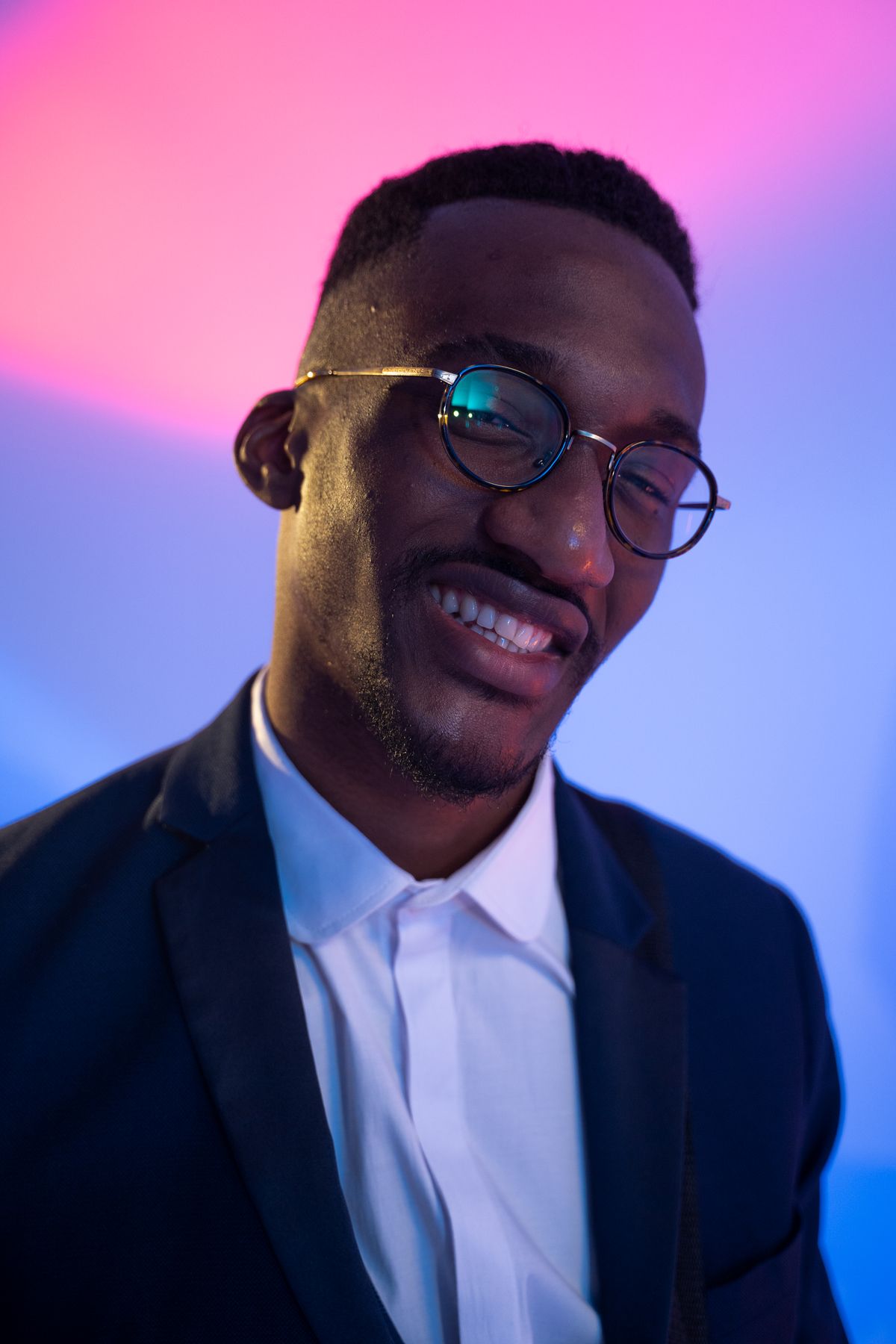
Headwear finishes the frame around your face, which is why it shows up in nearly every press photo and every late-night studio clip. A beanie reads grounded and a little mysterious, perfect for cold rooms and cropped video angles. A cap reads sharper and more direct. Both pull a loose fit together and give the eye somewhere to land. The habit runs decades deep: Kangol crossed into hip hop in the 1980s through Grandmaster Flash, Run-DMC, LL Cool J, Slick Rick and The Notorious B.I.G., and the bucket hat became the signature headwear of LL Cool J early in his career.
For the beanie, fit is everything. Too tight and it bunches; too loose and it slides. A cuffed knit that sits just above the brow is the safe, sharp default, and a clean piece from our hip hop beanies will do more for a plain hoodie than another graphic ever could. Keep one in your bag at all times. Bad hair day, early flight, unplanned shoot. The beanie covers all three and still looks deliberate.
Footwear and finishing touches
Shoes ground the whole silhouette, and they are where a lot of fits quietly fall apart. The move in 2026 is restraint. One clean pair of sneakers or chunky low-tops that you actually keep clean beats a rotating shelf of hype you are scared to scuff. Let the shoe support the fit instead of fighting it for attention. If the top half is loud, keep the feet quiet, and the other way around.
Then come the details that read as lived-in rather than bought-in. A simple chain, a couple of rings, a watch you reach for without thinking. Stack lightly. The goal is signal, not a yard sale. The best-dressed artists often wear less jewelry than people expect, because confidence does the heavy lifting and the pieces just punctuate it.
Build your rapper rotation
Rapper style runs on rotation, not closets full of one-wear pieces. A handful of strong items you can recombine will out-dress a wardrobe of trends every time. Two midweight rap hoodies, a couple of statement tees, one pair of relaxed bottoms, a beanie, a clean sneaker. That is a week of camera-ready fits from a short list. For the nights that list has to stretch to, what rappers wear to parties sorts the going-out end by the kind of room you are walking into.
If you want the thinking spelled out, read the 3 essential rapper fits and build out from there. When you want the whole look in one place instead of piecing it together, our outfits for rappers are assembled to drop straight into a rotation, no styling degree required.
Hold the line on the one rule the whole time. Buy what backs your sound, wear it until it feels like skin, and let the fit follow the work instead of leading it. That is the difference between looking like a rapper and looking like you are dressed as one.
If you want the 2000s version of all this, read the Y2K rapper outfit guide. To put it on, start with outfits for rappers and build a rotation that looks like you on your worst day and your best. Designed by makers, for makers.
Every piece mentioned here comes from our own line of underground hip hop apparel.
Wear it
The pieces this guide is built around. Every one ships free, no minimum.