
The Ultimate Guide to the Y2K Rapper Outfit: Hip Hop Fashion of the 2000s

Y2K hip hop fashion is the Bling Era look that ran from roughly 1999 to 2006: oversized everything, branded denim, throwback jerseys, chunky sneakers and jewellery meant to be seen from the back of the room. Below: what the outfit actually was, the labels behind it, the day the era effectively ended, and how to wear the reference in 2026 without it reading as costume.
Build the silhouette
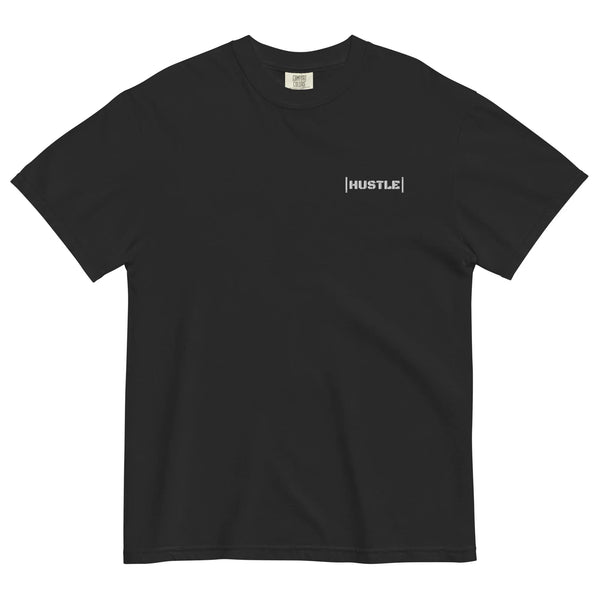
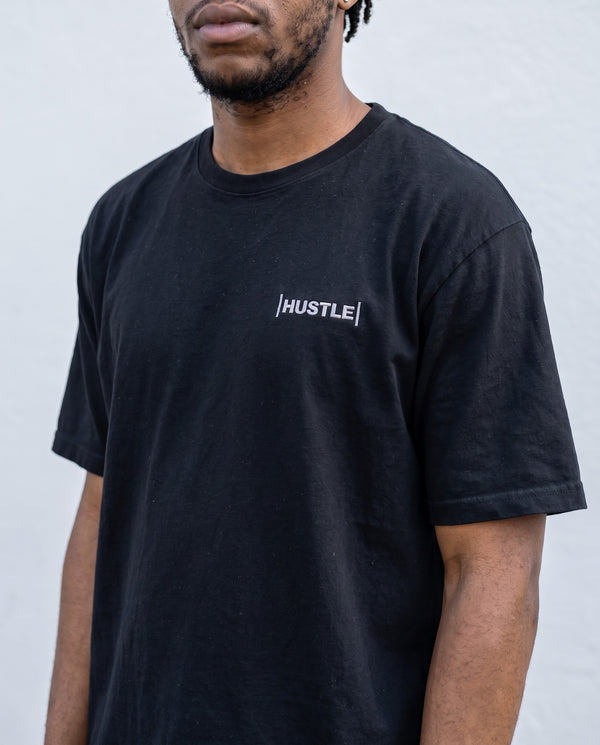
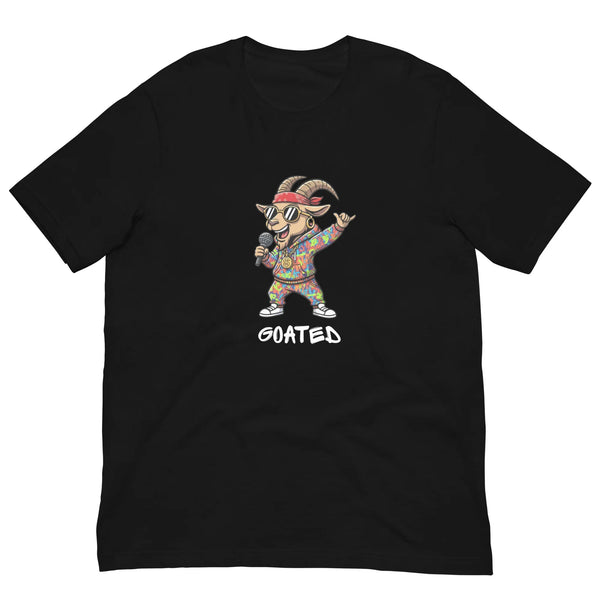
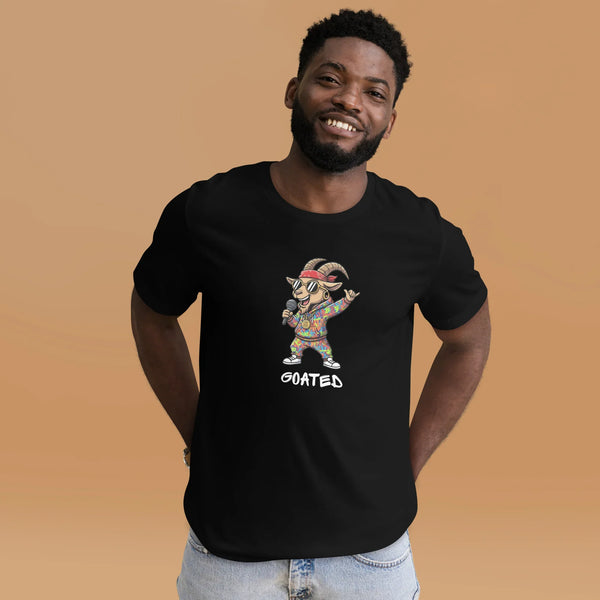
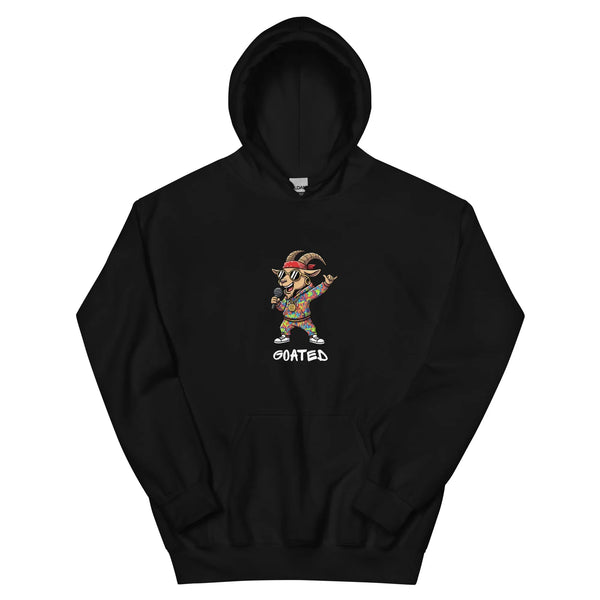
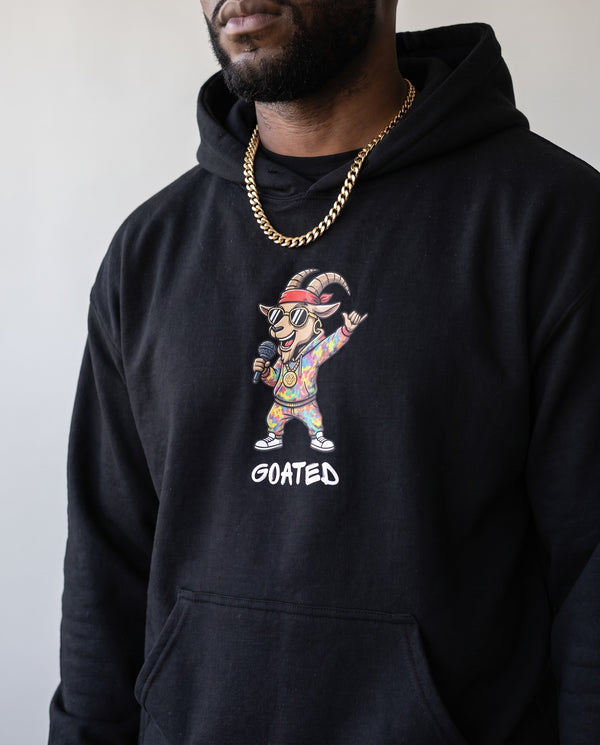
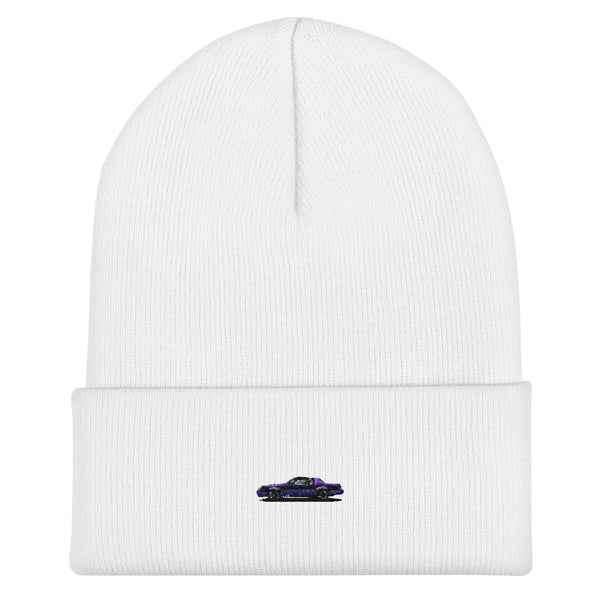
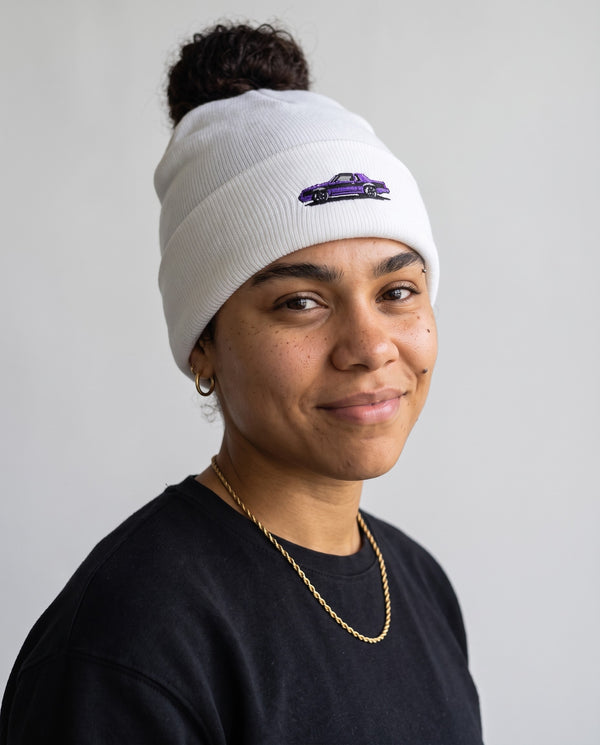
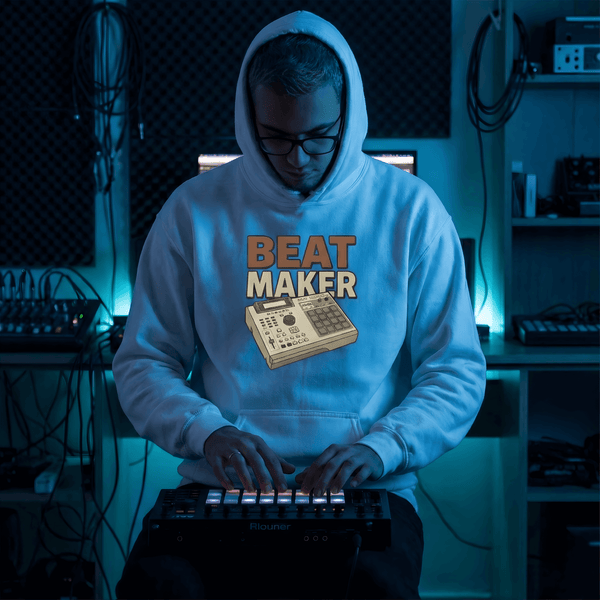
The Y2K cut without the thrift-store hunt: boxy oversized tees, a midweight hoodie, and a beanie to finish it. Pick a color and size and add straight to cart.


Swipe for more →
View cart →What Defined the Y2K Hip Hop Aesthetic?
The Bling Era was hip hop's maximalist moment. Excess was the point. The mid-90s underground ethos (Timbs and Carhartt, oversized without being expensive) gave way to something louder, shinier, and more deliberately aspirational. The shift was partly financial: as hip hop became genuinely mainstream and commercially dominant, the artists who drove it displayed that dominance visually.
The core elements of the Y2K rapper outfit:
Oversized Everything
The early 2000s took the 90s oversized aesthetic and amplified it. Jerseys worn over turtlenecks, XXL hoodies that hit mid-thigh, jeans so wide they broke over the sneaker. The size was deliberate: excess as statement. Think Jay-Z's Rocawear campaigns, Cam'ron in head-to-toe pink mink, Pharrell in Billionaire Boys Club when the brand launched in 2003.
Designer Logos and Status Symbols
The Bling Era was the first moment hip hop aggressively adopted and then transformed luxury fashion. Louis Vuitton monogram on everything. Gucci belts. BAPE worn with the price tag attitude. Hip hop took the codes of European luxury and reset what they signalled, which is a different act from borrowing them. Lil Wayne's diamond-encrusted everything. Kanye in Polo before he became Kanye.
Denim Culture
Baggy denim was non-negotiable. Rocawear, Sean John, FUBU, Akademiks: the hip hop-owned denim brands that made jeans a cultural statement. Often double-stacked, slightly sagging, usually worn with crisp sneakers underneath. The anti-fit was the fit.
Throwback Jerseys
The throwback jersey was the era's status object, and the sales curve shows how fast it moved. Mitchell & Ness went from around $2.2 million in sales in 1999 to about $36 million in 2003, a run that took off after Diddy wore a Hank Aaron jersey to the American Music Awards in January 2002. Authentic pieces sat in the $275 to $325 range, and the price was the point: everyone in the room could read it.
Statement Sneakers
Air Force 1s in every colorway. Jordan releases that caused line-ups around the block. Timberlands worn in non-Timberland weather because the aesthetic transcended climate. The sneaker was the foundation the whole outfit was built around.
Chains and Accessories
The bling in "Bling Era" was literal. Cuban links, Jesus pieces, watch chains, grillz. Jacob the Jeweler's influence on hip hop jewelry was the visual equivalent of 808 drums on the sound: once it existed, you couldn't unsee it.
Key Artists Who Defined the Era
Understanding the Y2K rapper outfit means understanding whose closet it came from:
- Jay-Z: Rocawear co-founder, the business suit applied to street wear. Clean when everyone else was loud.
- Pharrell Williams: BAPE obsessive, Billionaire Boys Club designer, the person who understood that streetwear and luxury could be the same conversation.
- Kanye West: Pre-Yeezy Kanye in the polo-and-backpack era that bridged underground and mainstream aesthetics.
- Cam'ron and the Diplomats: The maximalist extreme. Head-to-toe matching sets in colors nobody else would attempt.
- Nelly: The Air Force 1 presidency. Nelly's impact on sneaker culture in the early 2000s was seismic.
- Missy Elliott: The garbage bag suit, the asymmetric fits, the approach that said hip hop fashion could be avant-garde.
Why the Bling Era Ended
The look did not drift out of fashion. It ran into a rule. On 17 October 2005 the NBA introduced a league dress code requiring business casual at team and league functions, and banning chains, pendants or medallions worn over clothing, headgear of any kind, and jerseys or sports apparel off the court.
The league's most photographed players were also the era's most photographed mannequins, so the effect carried well past basketball. Paul Pierce named it at the time: "When I saw the part about chains, hip-hop and throwback jerseys, I think that's part of our culture." Within a few seasons the tunnel walk had become a runway for tailoring, and the maximalist silhouette lost its largest stage. That is the practical end of the 1999 to 2006 window, and it is why the revival reads as a reference rather than a continuation.
What the Y2K Revival Actually Means in 2026
The mainstream Y2K revival has largely been adopted by people who were children during the original era, filtered through Gen Z aesthetics and the TikTok fashion cycle. That version has its own energy. But for the hip hop community, the revival is something different: a return to the idea that clothing can be a form of cultural statement, not just aesthetic preference.
The specific Y2K hip hop reference points that have aged into modern style:
Oversized Fits: Still Right
The oversized silhouette never left hip hop. It just evolved. The XXL jersey-over-turtleneck has compressed into the oversized hoodie and relaxed tee that define 2020s studio aesthetics. The principle is the same: the fit should be deliberate excess, not fitted fashion. This is exactly where hip hop hoodies carry that lineage forward, and they size up cleanly for Y2K proportions.
Graphic Identity, Evolved
The mechanism is the same, the vocabulary changed:
- Then: the logo did the talking. FUBU, Sean John, Rocawear across the chest.
- Now: the reference does the talking. An 808, a waveform, the name of your DAW.
- Both: the graphic marks which room you belong to.
A music producer tee in 2026 sits where a Rocawear piece sat in 2002. The tribe just got more specific.
Statement Accessories, Simplified
The full Bling Era jewellery stack has compressed into one or two intentional pieces and statement headwear. The cultural function remains: I care about this specific aesthetic and I'm communicating that deliberately. A fitted cap or hip hop beanie carries that function cleanly.
Y2K hip hop fashion for women
The women's side of Y2K hip hop ran on the same rule as the men's, scale as a statement, but it split the silhouette instead of oversizing all of it. One half of the body was cropped and fitted, the other half was long, low and loose.
- The baby tee. A short, tight ringer or logo tee that stopped above the navel. It only worked against something baggy, which is the whole point of the pairing.
- Low-rise denim. Bootcut and flared jeans sitting on the hips rather than the waist, usually wide from the knee down, often with a visible belt or a chain hanging off it.
- Velour tracksuits. The zip hoodie and matching flared trackpant in velour became the most copied women's set of the era, worn as daywear rather than gymwear.
- Bandanas and headscarves. Tied at the front or worn under a fitted cap, with bamboo or doorknocker hoops and a layered chain doing the jewellery work.
- Timberlands and Air Force 1s. The same footwear as the men's fits. Nothing about the shoe changed, only what sat above it.
Aaliyah is the cleanest reference for the tomboy end of it: a crop top under an oversized jacket with baggy jeans and boots, the exact inverse of the fitted-everything look that pop was selling at the time. Lil' Kim, Missy Elliott and Eve each took it somewhere else, from full colour-matched sets to logo-heavy sportswear. On the label side, Baby Phat was launched in 1999 by Kimora Lee Simmons as the women's counterpart to Phat Farm, and it is the reason the era's women's pieces read as branded as the men's.
How to wear the unisex pieces. Everything we make is cut unisex, so the styling does the work rather than the sizing chart. Take a hip hop graphic tee a size or two down from what you would wear loose and knot or tuck the hem to get the cropped line, or go the other way and size up two so the tee hem sits mid-fly over wide denim. A hip hop hoodie sized up reads as the velour-set silhouette without the velour. Cuffed high on the forehead, a beanie replaces the bandana and does the same job of framing the face.
How to Reference Y2K in 2026 Without Looking Like a Costume
The key to wearing a cultural reference is wearing it as a reference, not a recreation. If you want the wider modern playbook, we cover how to dress like a rapper in 2026 separately. Some rules:
- One era element at a time: Oversized hoodie with modern taper below works. Full 2002 reconstruction doesn't.
- Update the graphic: The Y2K aesthetic was about cultural ownership. The contemporary version is more specific. Wear graphics that reference your actual position in the culture, not a nostalgic recreation of one. Our hip hop graphic tees are built on that idea: 808s, turntables, the booth and studio in-jokes instead of borrowed logos.
- Size it deliberately: one or two sizes up from your normal fit, shoulder seam sitting past the deltoid rather than on it, tee hem around mid-fly. Past that the garment stops reading oversized and starts reading borrowed.
- Let the proportions do the work: Wide on top, more fitted below (or at least not equally wide). The original Y2K error was excess in every direction simultaneously. The modern edit keeps the oversized energy but controls it.
- Sneakers still anchor everything: This hasn't changed. A clean pair of AF1s or Jordans under an oversized tee is the Y2K reference that ages best.
Where to Start
If you're building a wardrobe that carries the spirit of Y2K hip hop style into 2026 without the cosplay energy, start with the foundations: an oversized midweight hoodie with a culturally specific graphic, a couple of rotating tees, clean sneakers, and one or two intentional accessories.
Browse the rapper outfits collection for pieces built around the contemporary hip hop aesthetic, or check the hip hop clothing catalog for the complete range. The point of the revival is knowing where the silhouette came from, then wearing that knowledge forward. If the next outing is a party rather than an ordinary week, what rappers wear to parties in 2026 works through it room by room.
The labels behind the look, and when they started
The Y2K silhouette did not come from European houses. It came from a generation of mostly Black-owned American labels founded in the 1990s that hit their commercial peak in the 2000s, which is why the era looks branded rather than tailored.
| Label | Founded | Based |
|---|---|---|
| FUBU | 1992 | Queens, NY |
| Phat Farm | 1992 | New York |
| Ecko Unltd | 1993 | New Jersey |
| Sean John | 1998 | New York |
| Rocawear | 1999 | New York |
| Billionaire Boys Club | 2003 | New York |
Two of them tell the whole story. FUBU, short for "For Us, By Us", was founded in Queens in 1992 and went from about $40 million in annual sales in 1997 to $350 million in 1998, almost ninefold in a single year. Rocawear was co-founded by Jay-Z in 1999, at the point where the artist stopped being the label's customer and became its owner. For the full sourcing picture, see where rappers get their clothes.
Y2K hip hop fashion: common questions
What is Y2K hip hop fashion?
The look that ran from roughly 1999 to 2006, when hip hop style turned maximalist: oversized jerseys and tees, baggy or bootcut denim, velour tracksuits, throwback jerseys, trucker and fitted caps, chunky sneakers or Timberlands, and visible jewellery. The defining move was scale. Everything sat several sizes larger than the body.
What did rappers wear in the 2000s?
Throwback jerseys, baggy or bootcut denim, velour tracksuits, fitted and trucker caps, Air Force 1s or Timberlands, and visible jewellery. Artist by artist it split into camps. Jay-Z moved toward tailoring and Rocawear. Pharrell pushed BAPE and skate influence into rap. Cam'ron and the Diplomats went head-to-toe colour-matched. Nelly drove sneaker and jersey culture. The common thread was branded, oversized and deliberately visible.
What brands defined Y2K hip hop?
Mostly Black-owned labels founded in the 1990s that peaked in the 2000s: FUBU (1992), Phat Farm (1992), Ecko Unltd (1993), Sean John (1998) and Rocawear (1999), joined by Billionaire Boys Club in 2003. Japanese and skate imports such as A Bathing Ape ran alongside them.
How do you dress Y2K hip hop in 2026?
Pick one Y2K element rather than the whole outfit. An oversized tee or boxy hoodie with relaxed denim reads as current; the full velour tracksuit with a throwback jersey reads as costume. Keep the modern silhouette and let one piece carry the reference.
Is Y2K fashion still in style?
The silhouette is. Oversized tops, relaxed and wide-leg denim and chunky sneakers all remain mainstream. What has not returned at the same scale is the head-to-toe logo saturation, which is the part that dates a photograph fastest.
Shop the rapper fits
Get the look with rapper outfits, rapper tees and rapper hoodies. Bold graphics built for the stage and the street.
Want the Y2K energy without the thrift-store hunt? Our hip hop clothing catalog carries the same DNA, cut for today.
Want the eras either side of this one? The history of hip hop fashion lists the brands by founding year, city and price band.
Wear it
The pieces this guide is built around. Every one ships free, no minimum.