
The History of Hip Hop Fashion, Era by Era

Hip hop fashion has never been about clothes alone. It is a record of where the culture stood, what it valued, and who it was talking to. The history of hip hop style runs parallel to the music itself, block to block and decade to decade, and you can read a whole era off a single fit. This is the story of hip hop fashion era by era, from gold chains in the park to the oversized, understated looks of 2026, and what each chapter still teaches the makers building the next sound.
What to wear it with
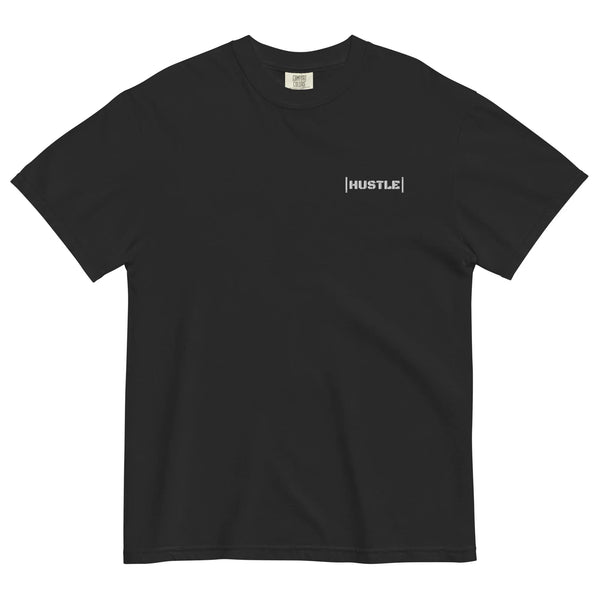
Four pieces that match what you are reading. Free shipping, no minimum, 14 day returns.
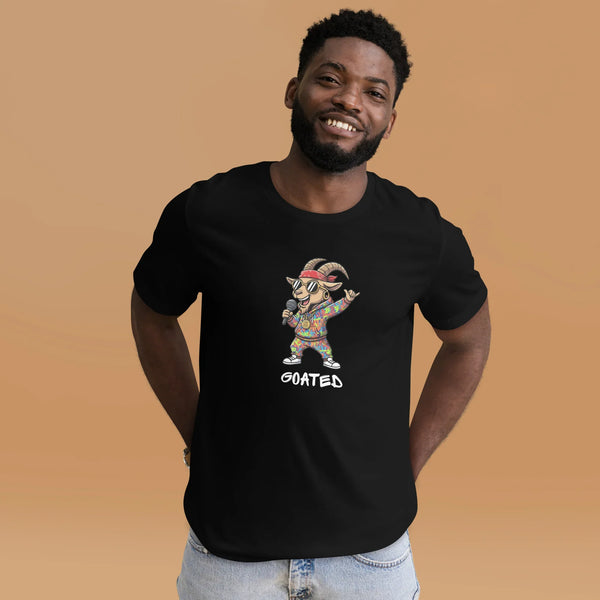
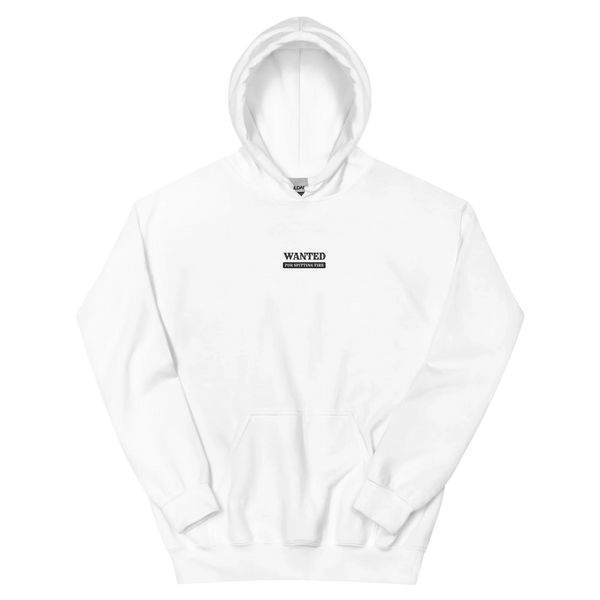
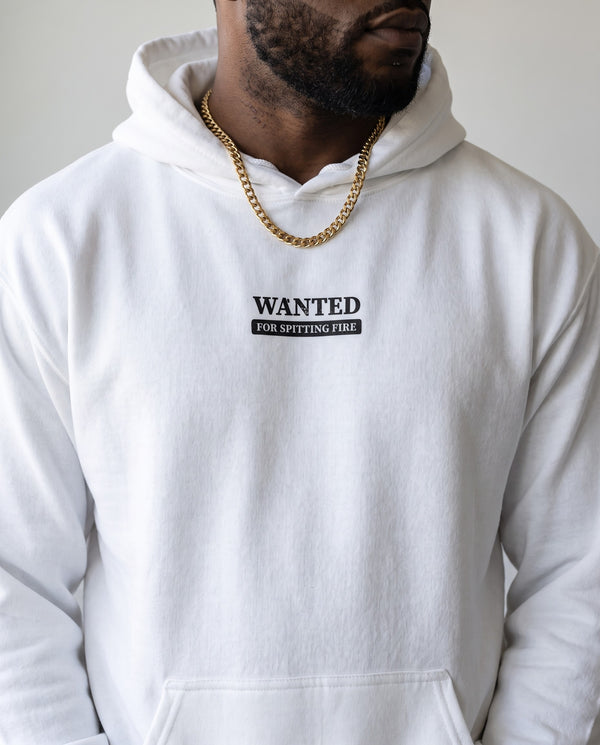
The 80s: gold chains and tracksuits
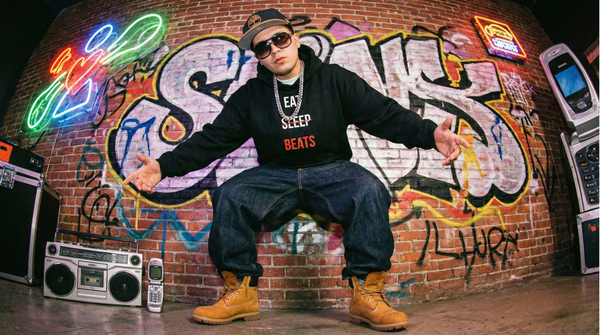
The first wave dressed loud because the music was loud. Park jams and the early club circuit gave us tracksuits, shell-toe sneakers, bucket hats, and rope chains thick enough to catch the light from across the room. Brands like adidas and Kangol became uniforms after a handful of records name-checked them, and suddenly fashion and lyrics were feeding each other directly.
What mattered most in the 80s was presence. You wore your status, your crew, and your borough. There was no separation between the performer and the look, and that idea still anchors hip hop fashion today: the clothes are an extension of the voice, not a costume layered on top of it. Behind the decks it works the same way: a DJ outfit is part performance, part working uniform.
The 90s: baggy jeans and logo mania
The 90s went wider, both in sound and in silhouette. Baggy jeans, oversized flannels, work boots, and sports jerseys defined the street uniform, while a parallel lane chased designer logos hard. Tommy Hilfiger, Polo Ralph Lauren, and Versace got pulled into the culture, often without permission and sometimes against the brands' own intentions, and rap turned them into something they could never have engineered on their own.
This was also when regional identity hardened into style. West Coast looks were not East Coast looks, and the South was already building its own language. The graphic tee became a billboard for your set, your label, your slogan. That instinct to put meaning on your chest is the same one driving today's hip hop graphic tees, where the message on the fabric does as much work as the fit.
The 2000s: bling and throwbacks
The 2000s turned the volume up on everything. Throwback jerseys, platinum chains, diamond grills, oversized white tees, and fitted caps with the sticker still on the brim. Labels born inside the culture, like Rocawear, Sean John, and G-Unit, proved that artists did not need to borrow other people's logos anymore. They could own the supply chain. The full breakdown of that decade sits in our guide to the Y2K rapper outfit.
That shift is the quiet turning point in the history of hip hop style. The culture stopped asking for a seat at the table and built its own. For makers reading this now, that lineage matters. The whole reason a brand can be designed by makers, for makers, instead of printed for fans, is that the 2000s proved artists could control their own image and sell it on their own terms.
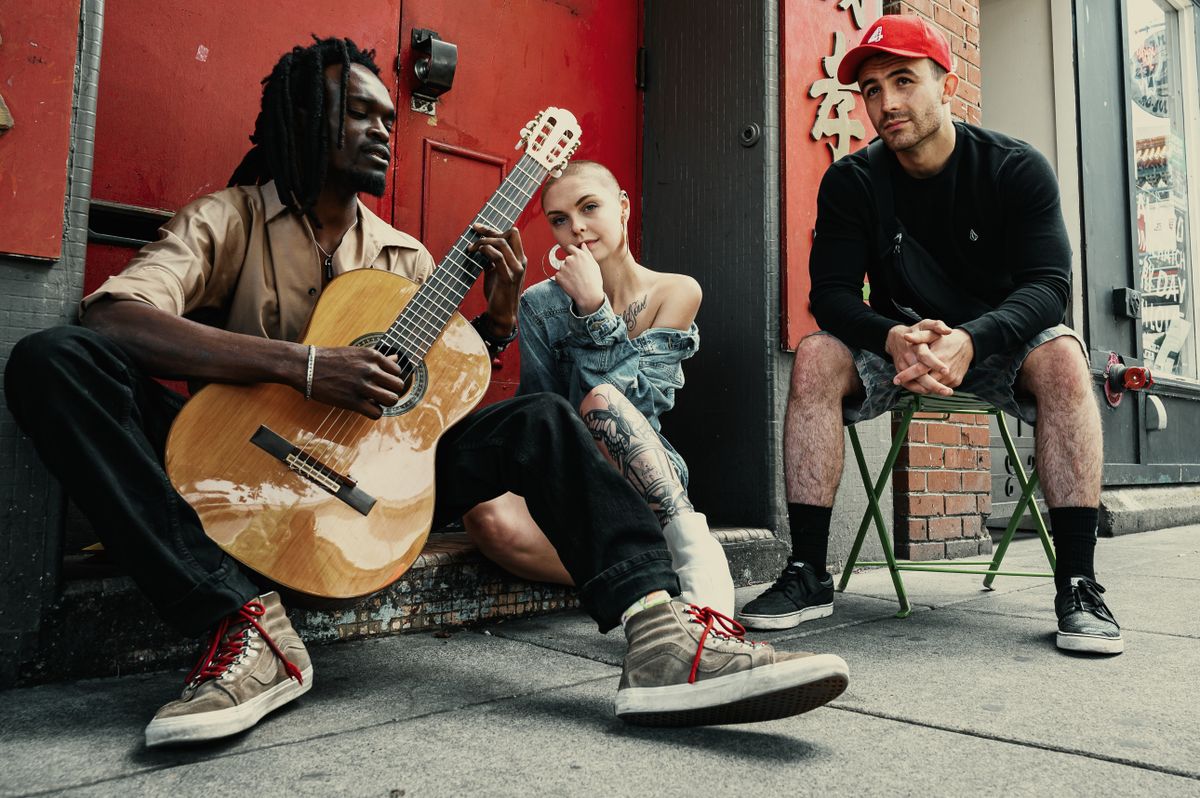
The 2010s: streetwear meets high fashion
The 2010s collapsed the wall between the corner and the catwalk. Supreme drops sold out in seconds, Yeezy turned a rapper into a footwear empire, and luxury houses that had ignored the culture for decades suddenly hired its tastemakers and chased its cosign. Hoodies sat next to tailoring on runways, and a sold-out hoodie could mean as much as a charting single.
This is when the modern hip hop wardrobe really took shape. The hoodie stopped being casualwear and became the anchor piece, worn on stage, in the studio, and on the cover. The era taught the culture that one strong, well-made garment could carry an entire look, which is exactly the logic behind a tight rack of hip hop hoodies built to do heavy lifting rather than a closet stuffed with throwaways.
2026: oversized, understated, maker-led
Today the loudest move is restraint. The dominant 2026 silhouette is oversized but clean: heavyweight cotton, dropped shoulders, muted colorways, and graphics that reward a second look instead of screaming on the first. The flex is no longer the price tag on the label. It is the weight of the fabric, the precision of the print, and whether the piece actually means something to the person wearing it.
That last point is the throughline across every era. Hip hop fashion has always been built on signal, on telling people who you are before you say a word. The difference now is who gets to send the signal. Producers, engineers, and independent artists are dressing the part on their own terms, which is why a thoughtfully built set of outfits for rappers reads less like merch and more like a statement of craft.
What stays constant across every era
Strip away the trends and the same rules keep surfacing. Wear what represents your actual position in the culture, not a borrowed one. Let the clothes amplify the work instead of replacing it. And treat a graphic as a sentence, not decoration, because in hip hop the fit has always been a form of writing. The makers who understand that quiet, layered kind of meaning tend to also understand the story behind Ghostnote, where the ghost note in music is the hit you feel more than you hear.
Wear the next era
Every chapter of this history was built by people who refused to dress like everyone else. The next one will be no different, and it will be written by the makers behind the music, not the crowd in front of it. If you want to put on something that respects where the culture has been while pointing at where it is going, start with our hip hop hoodies and build out from there. Designed by makers, for makers. Never printed for fans.
Related: hip hop hoodies outfits for rappers hip hop tees the story behind Ghostnote
Every era above still echoes in what we make. Browse our hip hop clothing to see how that lineage reads today.
For the buying side of this history, see where rappers get their clothes, which covers the five channels artists source from and how stylist pulls and brand seeding work.
Wear it
The pieces this guide is built around. Every one ships free, no minimum.