
Rapper Hoodies: The Complete Buyer's Guide

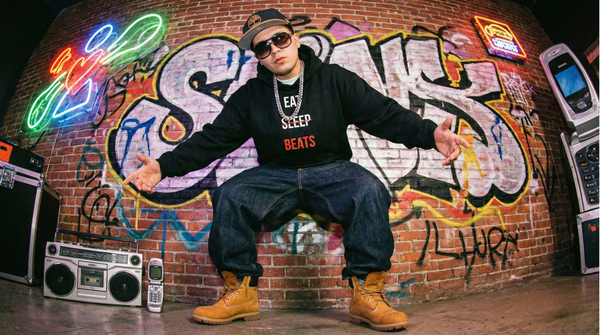
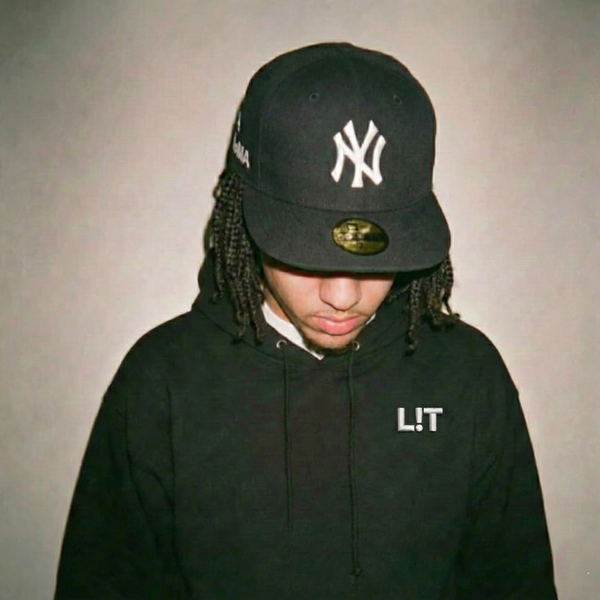
Rapper hoodies are the uniform, not a trend. Before the chain, before the fit pic, before the verse drops, there is the hoodie. It hides you and it announces you at the same time. For rappers and hip hop artists, the right rapper hoodie is part armor, part business card. This is the complete buyer's guide to picking one that reps your sound, built around fit, weight, graphics and the colorways that carry over from the booth to the stage.
If you already know what you want, you can skip straight to the rapper hoodies. If you want to choose with intention, keep reading.

What to wear it with
Four pieces that match what you are reading. Free shipping, no minimum, 14 day returns.

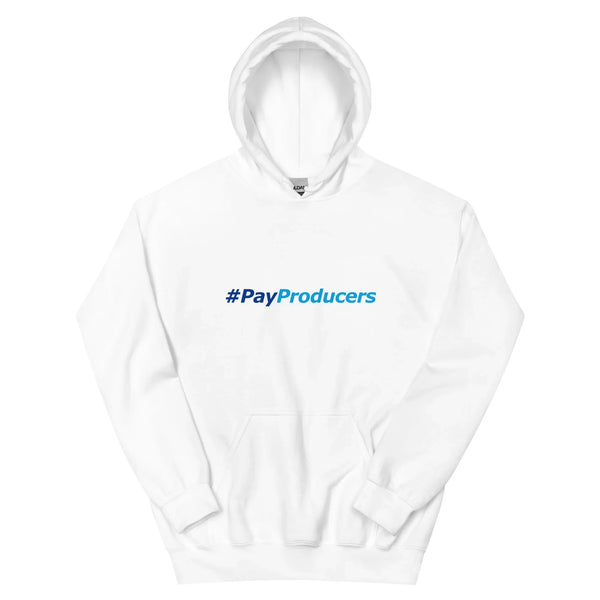

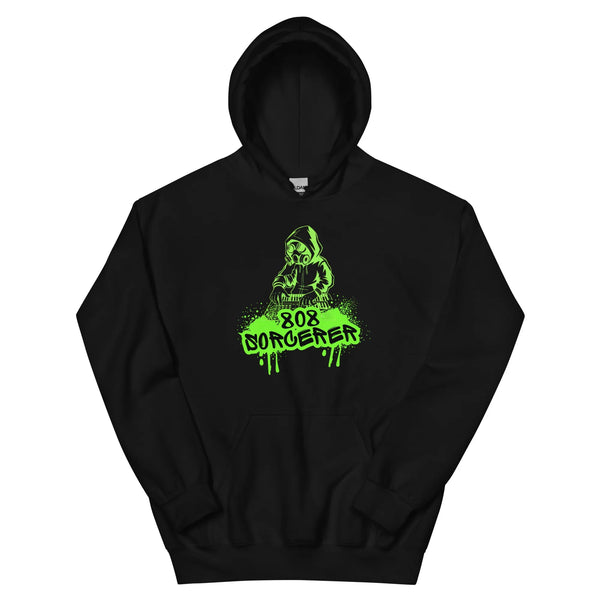
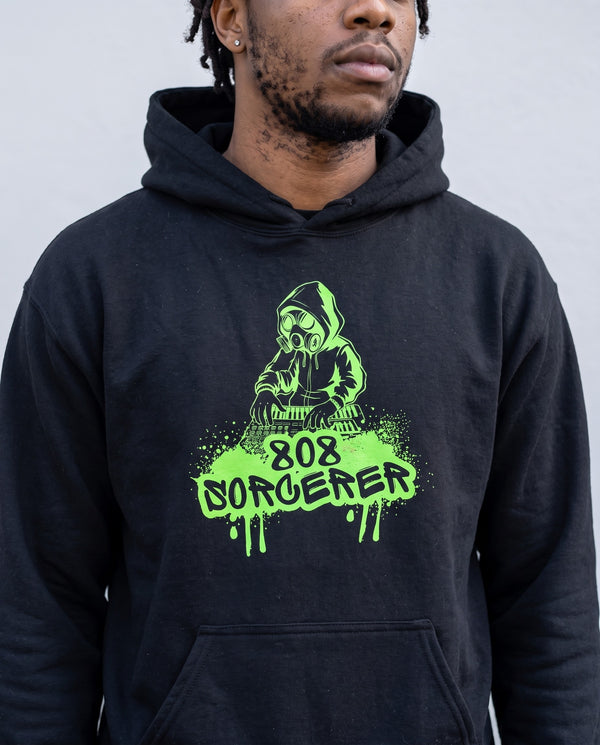
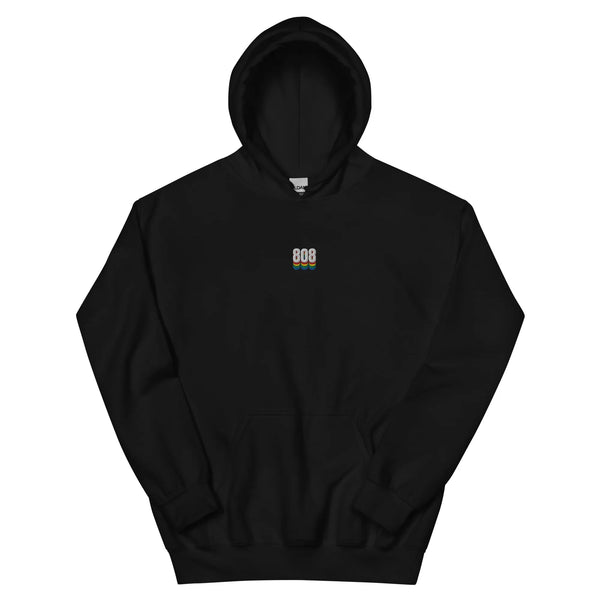

Why the hoodie is the rapper uniform
The hoodie earned its place in hip hop because it does what the culture does: it works hard and says little until it has something to say. It came up from the corner and the cipher, not the runway. Before that it came off a factory floor: the hooded sweatshirt was first produced by Champion in 1930s Rochester and marketed to laborers working through upstate New York winters, and hip hop adopted it in the 1970s and 1980s. A piece cut for people who work in the cold was always going to survive a long night in a badly heated room. You can record in it, freeze in a green room in it, and still look right when the phone comes out. No other piece carries that range.
There is also the matter of the hood itself. Pull it up and you control how much of you the room gets. That is power, and rappers have always understood power as performance. The hoodie lets you switch from invisible to undeniable in one motion. A rap hoodie that fits your body and your message becomes shorthand for who you are before you say a word.
Choosing weight and fit
Weight is the first thing to check and the thing most people ignore. Hoodie fabric is measured in grams per square meter, or GSM, and US listings usually quote ounces per square yard instead. Multiply ounces by roughly 34 to convert. Under 250 GSM is light French terry: a layering piece, not a hoodie you live in. Around 270 GSM, which is 8 oz, is midweight, the year-round default and where our own hoodies sit. From 400 GSM up you are in true heavyweight territory, which drapes hard and holds structure under stage lights but takes a day to dry and turns into a furnace in a warm room. Pick for the room you work in, and treat a listing that says heavyweight without printing a figure as its own answer.
Fit is the second decision, and the right one depends on how you move and what you wear it with.
- Oversized: the current default. Dropped shoulders, room through the body, sleeves that bunch slightly at the wrist. Reads modern and gives you movement on stage.
- True to size: cleaner, more controlled. Good if you layer or want the graphic to sit flat for a video shoot.
- Cropped or boxy: a sharper silhouette that plays well with high-waisted denim and cargos.
Whatever you pick, check the cuffs and hem. Ribbing should be dense and snap back, not stretched out and sad. That is where cheap hoodies give themselves away.
Graphics with meaning
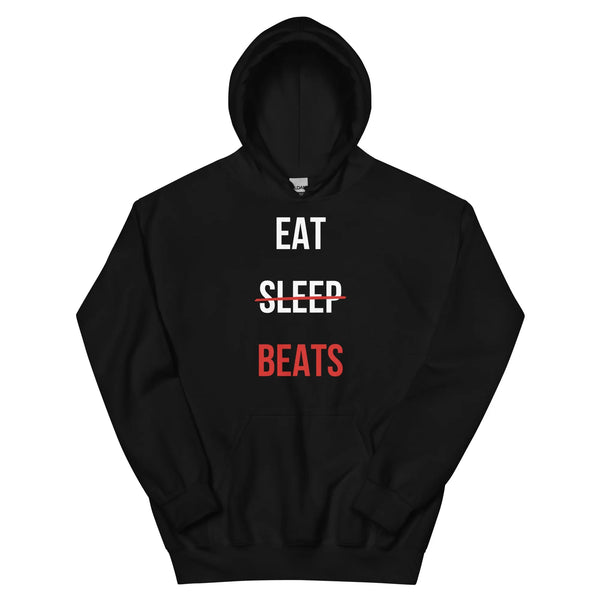
A blank hoodie is a tool. A graphic hoodie is a statement, and the statement is the whole point. The mistake artists make is treating graphics like decoration. The graphics that last say something true about the maker wearing them. That is the difference between merch printed for fans and a piece designed by someone who does the work.
This is where Ghostnote draws its line. The pieces are designed by makers, for makers, never printed for fans. So the graphics speak the language of the people behind the music: the grind, the studio hours, the quiet confidence of someone who knows their craft. A line like "They Not Like Us" works as more than a reference. Worn right, it says you stand apart.

Colorways that work
Color is where you control the temperature of the whole fit. Three families do most of the heavy lifting for a rap hoodie rotation.
- Black: the foundation. It photographs clean, hides stage sweat, and never argues with the rest of your outfit. If you own one rapper hoodie, own a black one.
- Bone, cream and washed neutrals: softer, more expensive-looking, and a smart contrast to dark denim. These read intentional rather than loud.
- One signal color: a single bold piece, a deep red or a faded earth tone, that becomes your shorthand. Use it sparingly so it stays yours.
Avoid building a rotation full of busy prints. A wardrobe of mostly neutral hoodies with one or two graphic statements is more flexible and looks more grown than a closet of competing logos. Pair them with the right bottoms and headwear and you have a system, not just a pile of clothes.
Hoodies every hip hop lover should own
The piece worth starting with is the They Not Like Us Hoodie. It runs 8.0 oz/yd², about 271 GSM, in a 50/50 cotton-poly fleece, cut in a classic unisex fit, true to size, with a graphic that means something to anyone who has had to prove they belong. The blend is the reason it comes out of the dryer the same shape it went in, which matters more over a year than a number on a spec sheet does on day one. It is the rare rap hoodie that looks as right in a control room as it does in a tour photo. The rest of the line, ranked by the person each hoodie was cut for, sits in our hip hop hoodies ranked for 2026.

From there, build out from the wider rapper hoodies drop and the broader range of hip hop hoodies. Look for the same markers every time: a weight figure printed on the page, ribbing that recovers, and a message you would stand behind on a stage.
Make it travel
If you are gigging or on the road, a hoodie has to earn its place in a bag that is already too full. The trick is choosing pieces that layer and re-wear without looking repeated. For a system built to move, study how the touring artist capsule wardrobe approaches it: fewer items, deeper rotation, every piece pulling double duty between the venue and the day after.
Shop the hoodies
Pick the weight you can feel, the fit that matches how you move, and the graphic you would defend in a room of strangers. When you are ready, the full lineup of rapper hoodies is built for exactly that. Designed by makers, for makers, and made to last longer than the trend cycle.
For where to buy beyond hoodies, see where rappers get their clothes, and the rapper sweatshirts buyer's guide for the crewneck side of the same rotation.
Wear it
The pieces this guide is built around. Every one ships free, no minimum.