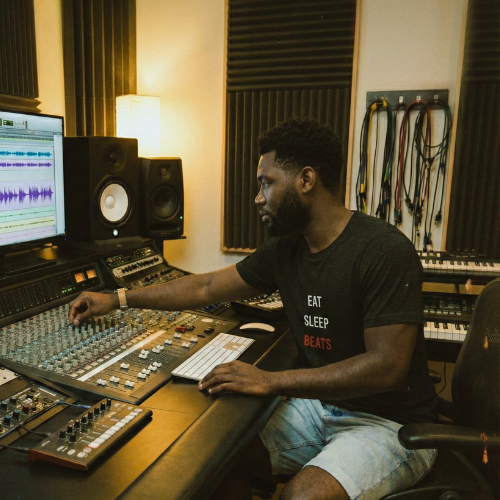

What Singers Wear to a Recording Session

Figuring out what to wear to a recording session sounds trivial until you are three hours into tracking and your collar is sticking to your neck, the room is freezing, and your jeans are cutting off the breath you need for the chorus. For singers and vocalists, the right outfit is less about looking good on camera than about giving your body the room to do its job. A good singer outfit gets out of the way so the voice can move. This is the recording session dress code nobody hands you on your first day in the booth.
What to wear it with
Four pieces that match what you are reading. Free shipping, no minimum, 14 day returns.




Why what you wear in the booth actually matters
Singing is a physical act. You are managing breath, posture, and tension across your whole torso, and clothing sits right on top of all of it. Tight waistbands restrict the diaphragm. A stiff collar pulls at your neck when you reach for a high note. A jacket that bunches at the shoulders changes how you stand. None of this shows up in casual life, but in front of a mic it becomes the difference between a take you keep and one you scrap. The booth amplifies everything, including the small discomforts you would normally ignore.
There is also the mental side. When you feel settled in your clothes, you stop thinking about your clothes. You drop into the performance faster. The vocalist studio outfit that works is the one you forget you are wearing the moment the red light comes on.
Comfort first: the voice needs a relaxed body
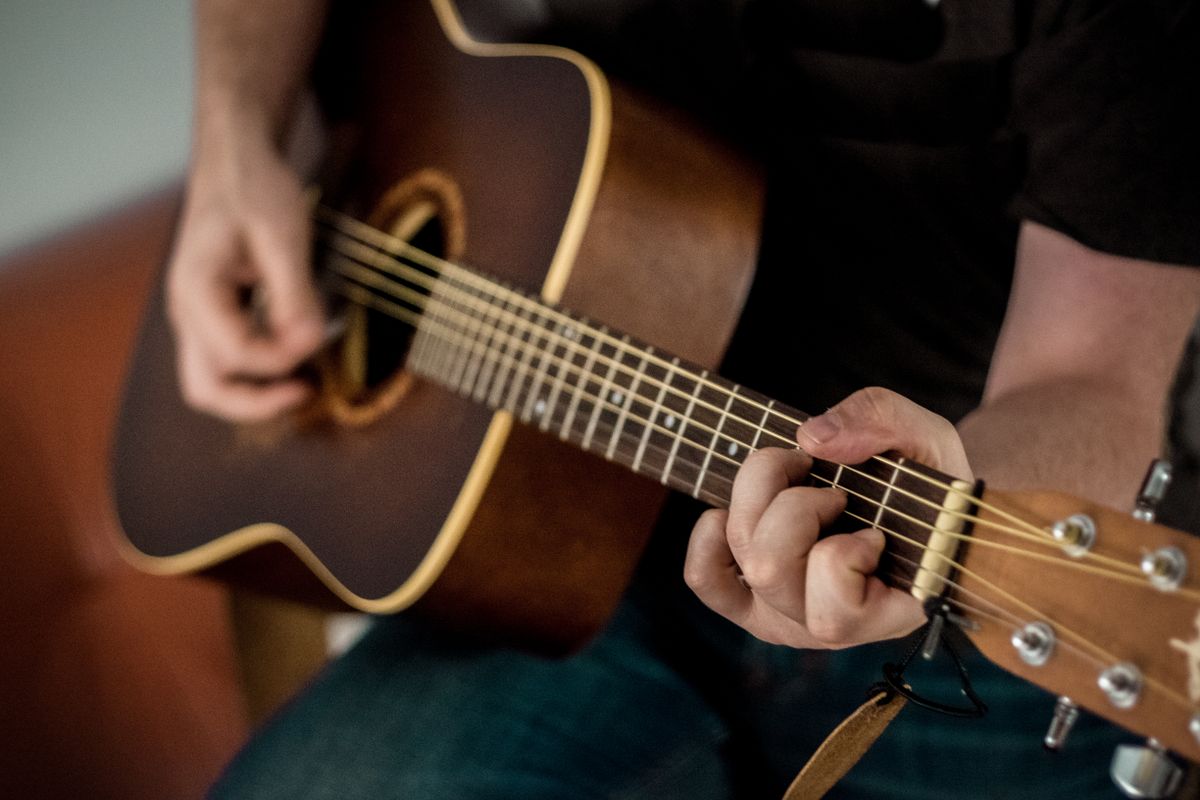
Start from the waist and work out. Your bottoms should let you breathe deep into your belly without anything pressing back. Soft joggers, relaxed trousers, or worn-in sweats beat anything with a rigid button fly. If you sit to track, you want fabric that moves with you when you slump, lean, or shift in the chair across a long night.
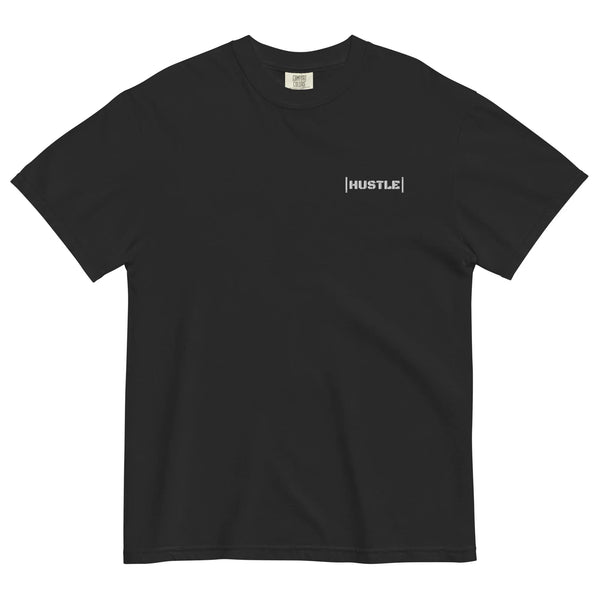
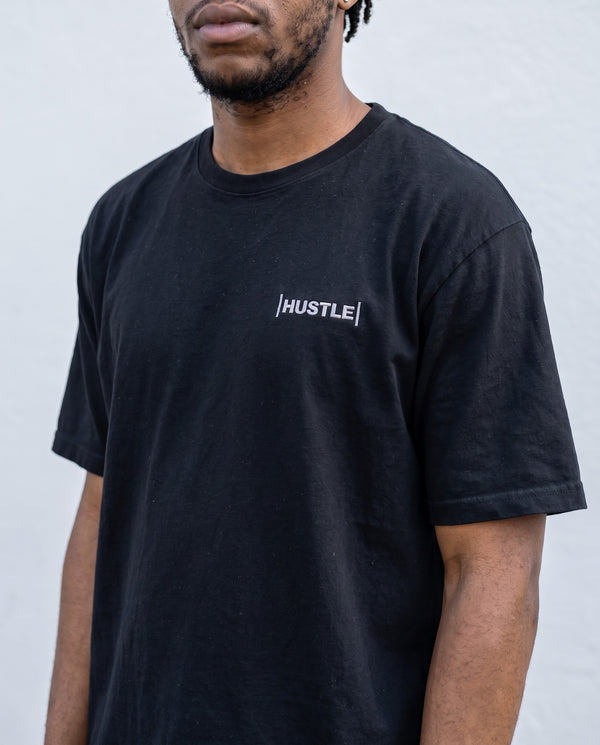
On top, reach for a soft, breathable tee or a loose long sleeve. A heavyweight cotton tee is a quiet workhorse here because it holds its shape, does not cling when you sweat, and feels like nothing across the shoulders. Avoid anything that grips the throat or rides up when you lift your arms to cup the headphones. The goal is a body that feels open, not packaged.
- Skip the new stuff. A shirt you have washed twenty times has lost its scratch and its noise.
- Mind the neckline. High, tight collars create tension exactly where you do not want it.
- Test it standing and sitting. Most booth time is one or the other for hours.
Layers for a cold, controlled room
Studios run cold on purpose. Gear throws off heat, and engineers keep the air conditioning low to protect it and to keep the room dead quiet. That means you walk in warm from outside and slowly turn into an icicle by hour two. Cold tightens muscles, including the ones around your throat and chest, and a cold body does not sing loose.
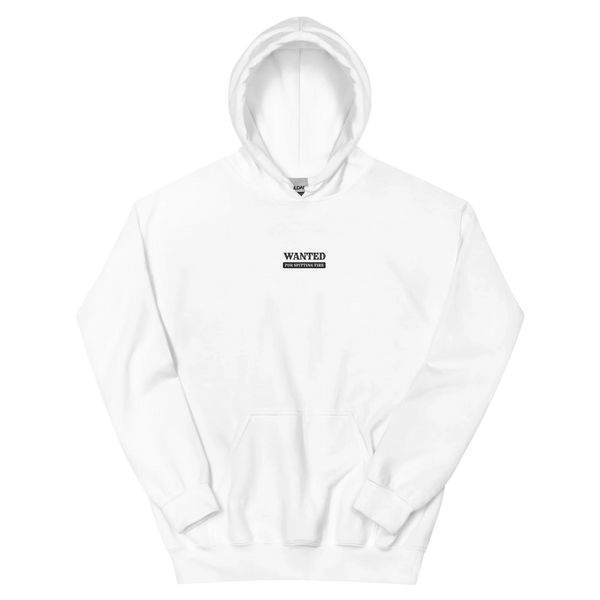
The fix is layering you can adjust without breaking the session. A breathable base layer, then a hoodie or crewneck you can pull on and off between takes. A roomy hoodie is the singer's best friend in a chilly control room because it warms you without trapping you. When the take is hot and you are pushing volume, you shed it. When you are resting between passes and the room bites, you put it back on. The same logic that drives what music producers wear in those same cold rooms applies double to you, because your instrument lives inside your body.
Avoid noisy fabrics and jewelry
This is the rule people learn the hard way. Vocal mics are sensitive. They pick up the rustle of a nylon jacket, the swish of stiff denim when you sway, the tick of a bracelet against the mic stand, the rattle of a long necklace tapping a zipper. You will not hear it while you sing. The engineer will hear all of it on playback, and then you are doing the take again for no reason.
Strip it down before you step in:
- No crinkly synthetic shells, windbreakers, or anything that whispers when you move.
- Take off bracelets, dangling earrings, and long chains. Pocket them or leave them in the lounge.
- Lose loose change and keys from your pockets. They jingle.
- Soft, settled cotton is your safest bet. It moves silently.
If you love wearing a chain, save it for the moment the camera comes out, not the moment you are tracking lead vocals an inch from a condenser mic.

Look the part when the room fills up
Comfort wins in the booth, but the session is rarely just you and the engineer. A producer drops by. A label rep sits in. Someone pulls a phone out to grab a clip for the socials. You want to be ready for that without changing who you are. The trick is gear that reads as intentional even when it is built for comfort.
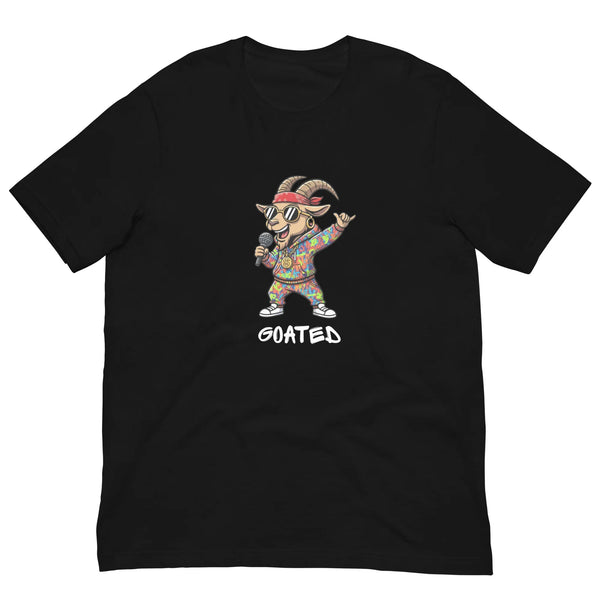
This is where a strong graphic earns its place. Good graphic tees let you say something about your taste and your craft without a word, and they photograph well under studio light. If your sound lives in rap and the culture around it, a rotation of hip hop tees keeps you looking like you belong in the room you are recording in. The point is not to dress up but to look like yourself on your best day, the version of you that walked in knowing exactly what the song needed.
Build your booth rotation
Once you have done enough sessions, you stop guessing and start packing the same trusted pieces every time. That is your booth rotation, a small set of clothes you know perform. Build it around three layers:
- Base: two or three cotton tees, washed soft, in colors you actually like seeing on yourself.
- Warmth: one roomy hoodie or crewneck that goes on and off without snagging your headphones.
- Bottom: relaxed joggers or trousers with give at the waist, nothing that fights your breath.
Keep it simple, keep it quiet, keep it warm. The best vocalist studio outfit is almost invisible. It supports the take and then disappears. That is exactly how we think about everything we make, because Ghostnote builds for the makers behind the music, the people doing the real work when the door closes and the light turns red.
Ready to set up a booth rotation that actually works? Start with our graphic tees and build out from there.
Related: what music producers wear
Wear it
The pieces this guide is built around. Every one ships free, no minimum.