
The Studio Uniform: Comfort vs. The Flex

There are two versions of the studio fit. The first is what you see in the content: the curated outfit on the Timeline, the chain in the mirror selfie, the designer piece that makes the right statement when the camera's rolling. That's the flex. It is deliberate, and it matters for the artist persona.
The second version is what actually gets worn for 14 hours straight when the session locks in at 9pm and nobody's checking Instagram. That's the uniform. And understanding the difference between these two things, and when each one applies, is one of the most underrated pieces of craft knowledge in the music industry.
What to wear it with
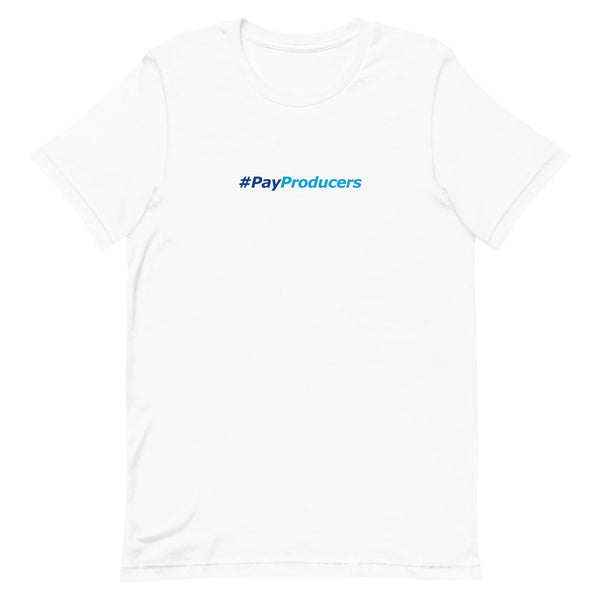
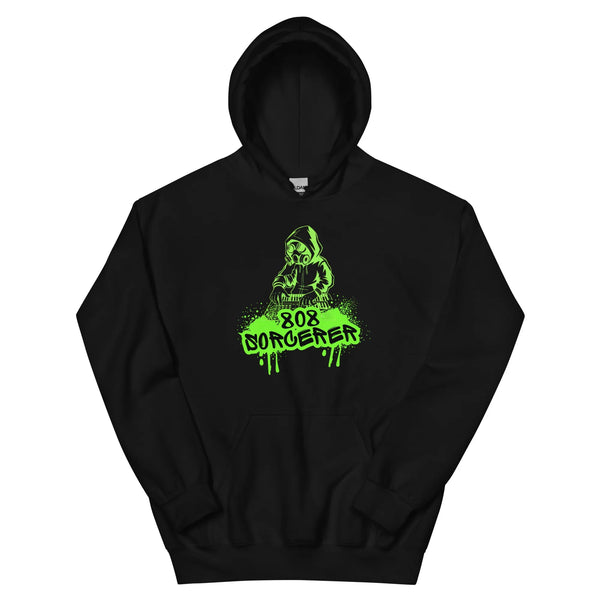
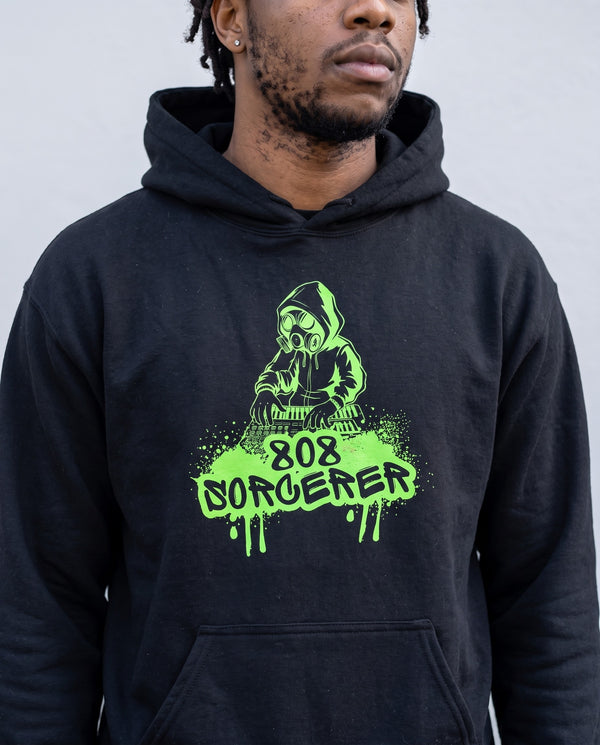
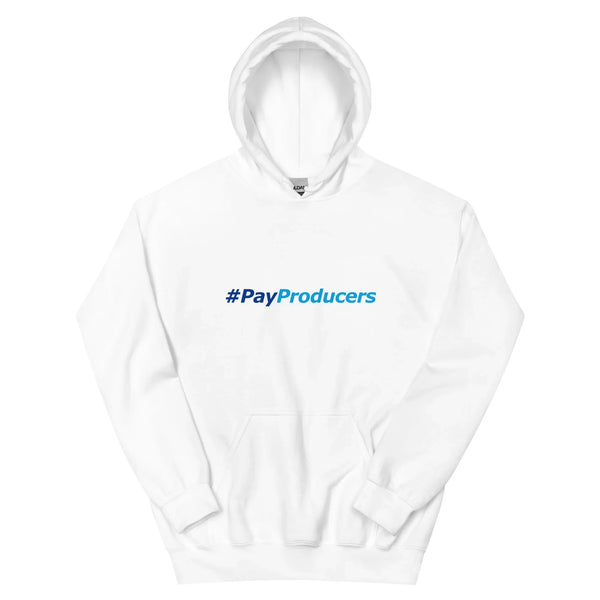
Four pieces that match what you are reading. Free shipping, no minimum, 14 day returns.



What the Flex Is For
The flex isn't vanity. It's communication. In the music industry, appearance is one of the clearest signals of where you are in the career trajectory. A rapper who shows up to a label showcase in designer fits is communicating seriousness, investment in their own image, and an understanding of the entertainment business that extends beyond the music itself. The flex says: I take this seriously enough to present it correctly.
The flex also serves the art. Music videos, editorial shoots, festival appearances. These are moments where the clothing is part of the visual language of the music. Kanye understood this before he ever started talking about fashion as his primary medium. The outfit in the "All Falls Down" video is not an accident. Neither is the look of a Kendrick Lamar rollout: his videos and campaigns run through pgLang, the company he founded with Dave Free in March 2020, which has run its own fashion collaborations with Calvin Klein and Converse. The flex is an artist tool, not a distraction from one.
Key flex moments where clothing investment pays off:
- Music videos and visual content
- Label meetings and A&R showcases
- Industry events, award shows, listening parties
- Press photos and editorial coverage
- Live performances, especially first impressions at new venues
What the Uniform Is For
The uniform is the working gear. It doesn't appear in the content. Or if it does, it appears as itself, without styling. The uniform is built around one requirement: don't let the clothes get in the way of the work.
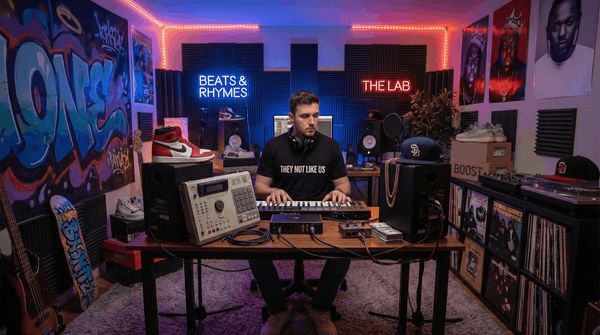
Production and engineering work is physically demanding in ways that aren't obvious from the outside. Long seated stretches at the desk put pressure on shoulders and arms that tight clothing amplifies. Temperature fluctuations between hot booths and cold control rooms require layers. The 4am grind requires comfort that sustains focus, not just covers the body.
The ideal studio uniform handles all of this:
The Hoodie Is Non-Negotiable
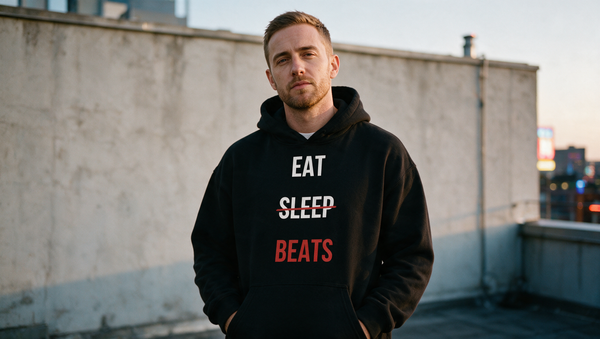
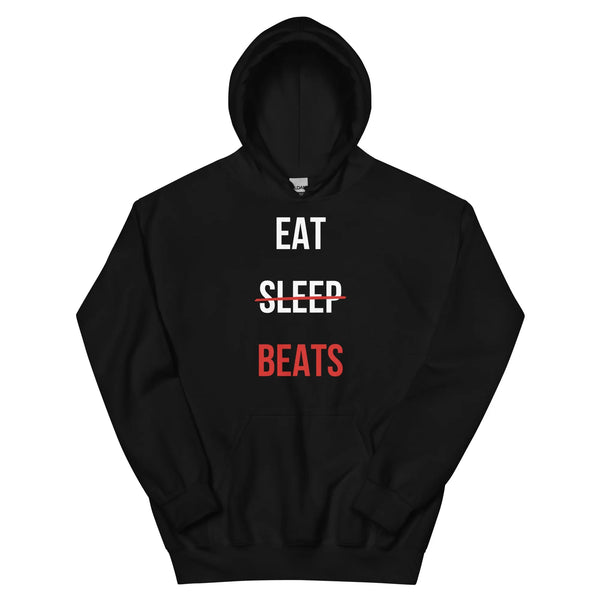
Every serious producer has a primary hoodie. Not the one they wear for content, the one they wear for sessions. It's usually a midweight fleece, slightly worn-in, and they've had it for years. The music producer hoodie category exists because this piece is so consistently part of the working wardrobe that it deserves to carry cultural identity as well as function. A hoodie that references 808s or your DAW or the craft in general is the same comfort layer, but it also signals to everyone in the room that you're a professional, not a visitor.
The Tee That Breathes
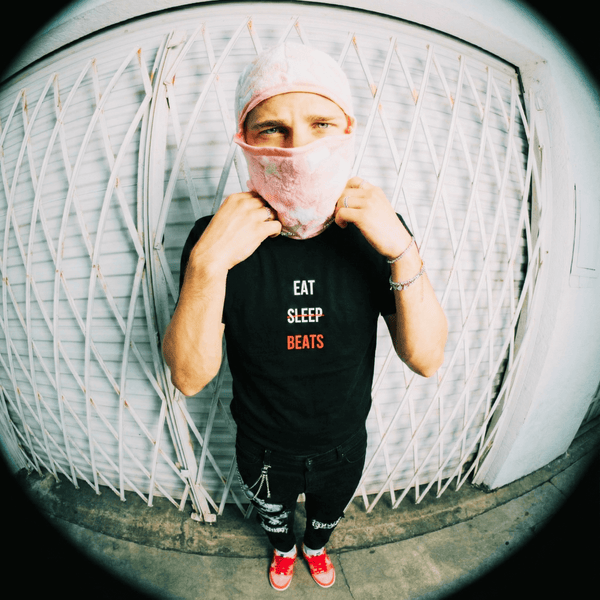
The hoodie comes off when the room heats up. What's underneath matters. A midweight graphic tee (100% cotton, 4.2 to 5.3 oz/yd²) keeps you comfortable through the temperature range of a full session. High-chest graphic placement keeps the piece looking intentional whether the hoodie is on or off. Browse the music producer tees or hip hop tees for pieces built specifically for this context.
Bottoms That Don't Demand Attention
In the studio, the action is from the waist up. The desk hides everything below it. Comfortable cargo pants, quality joggers, or relaxed denim, whichever fits your working style. Clean enough to work anywhere, comfortable enough to sit in for ten hours. The studio uniform doesn't over-invest in bottoms.
When Comfort Becomes the Identity
Here's the interesting thing that happens when you commit to the studio uniform over time: it becomes its own aesthetic. The producer who's always in the heavyweight hoodie, always in the clean tee with the right graphic, always clearly dressed for work rather than performance. That consistency is its own signal. It says "I'm here to make music" in a way that's often more credible than the flex.
Some of the most respected figures in production, the people whose credits you see on every major release, are known for their extremely consistent studio aesthetic. Rick Rubin's white tee and sweatpants. Metro Boomin's consistent hoodie-and-cap. The uniform communicates expertise through its simplicity: you're so good at the work that you don't need the clothes to do any of the talking.
The False Choice
The framing of "comfort vs. the flex" suggests a choice between two things. But the most sustainable studio wardrobe doesn't choose: it contains both, deployed appropriately. A wardrobe built around the uniform is functional and culturally grounded. A wardrobe that includes flex pieces for the right moments is professional and business-aware.
The mistake is using flex pieces for uniform situations (uncomfortable for long sessions, hard to replace if damaged) or defaulting to zero-identity uniform pieces for flex situations (missed opportunities to communicate who you are). Know which situation you're walking into and dress accordingly. The case for treating that choice as something other than vanity is made in why your studio fit matters more than you think.
Building the Right Wardrobe
The working studio wardrobe doesn't need to be large. It needs to be right:
- 1-2 primary hoodies: midweight fleece (8.0 oz/yd², about 271 gsm), culturally specific graphics. These are your workhorses. See the music producer hoodies or rapper hoodies depending on your identity.
- 3-4 rotating graphic tees: 100% cotton, midweight, different cultural references to keep the rotation interesting. Hip hop tees here.
- 1 beanie for winter: studios run cold, and a clean producer beanie completes the uniform in cold months.
- 2-3 flex pieces: the designer items, the statement fits, the things that come out for specific moments.
Browse the full hip hop clothing catalog for pieces built specifically around the studio wardrobe — every design is made for the working creative, not the brand tourist.
Wear it
The pieces this guide is built around. Every one ships free, no minimum.