Cold Studios, Long Sessions: A Producer Comfort Guide

Studio comfort is not a luxury. It is the difference between a session that ends with a finished record and one that ends with a stiff neck, cold hands and a project you abandon at hour six. Studios run cold and sessions run long, so if you want to know how to stay warm in the studio without breaking your flow, the answer starts before you ever press record. This guide covers the whole problem (layers, heat, ergonomics, eyes, hydration) because the cold is only one of the things trying to end your session early.
Quick disclosure: we're Ghostnote, and we make studio apparel. One section near the end recommends our own hoodies, tees and beanies, and it's clearly labeled. Everything else in this guide is gear and habits we don't sell and earn nothing from. No affiliate links anywhere in this article.
Why Recording Studios Are So Cold
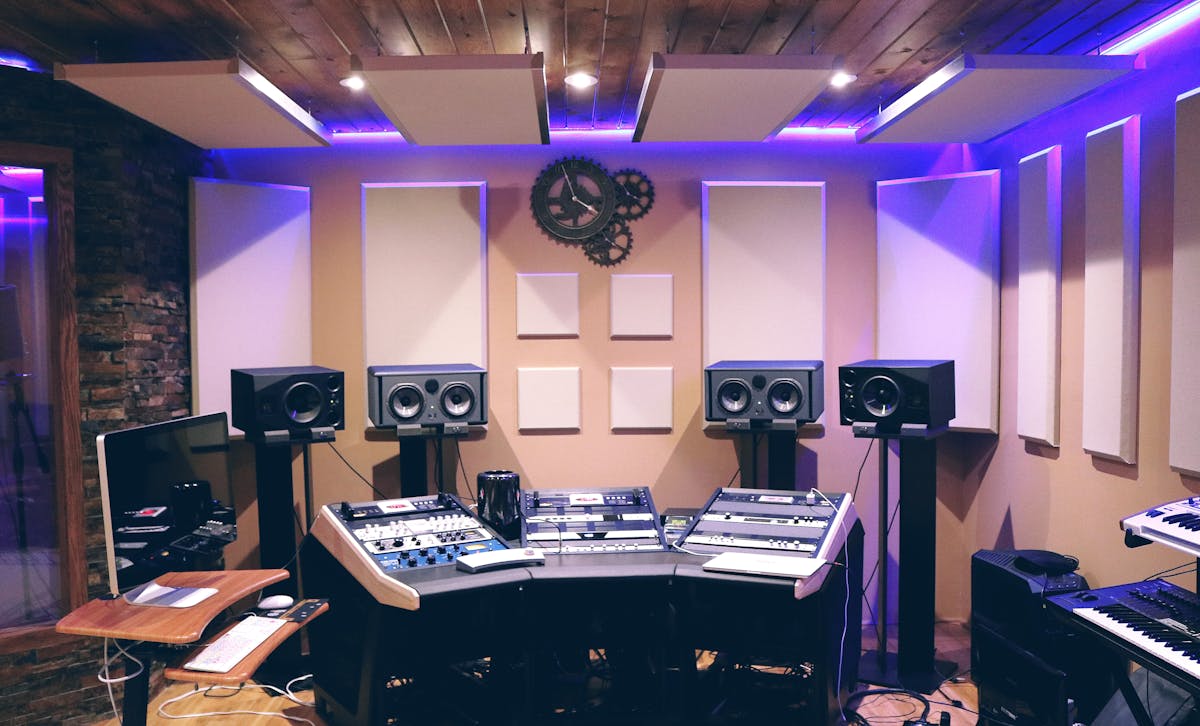
That chill is not an accident. Gear runs hot. Tube amps, power conditioners, racks of outboard, a desktop pushing a heavy session, monitors driving for hours: all of it dumps heat into a sealed, often windowless room. Air conditioning fights back to protect the equipment and keep the space quiet, because a struggling HVAC unit hums, and hum is the enemy of a clean take. We went deep on this in our piece on why recording studios are so cold, but the short version is simple. The room is built for the machines first. You are an afterthought in the thermostat's eyes, so you have to dress for it.
What Ten Cold Hours Actually Costs You
Cold is not just uncomfortable. It is expensive in ways that do not show up until the mix. When your body is fighting to stay warm, blood pulls away from your hands and toward your core. Fingers get clumsy on the keys and the pads. Your shoulders creep up toward your ears and stay there. Focus narrows, then frays. You start taking more breaks, not because you need them creatively but because you need to thaw.
This is measurable, not vibes. In a month-long Cornell University study of office workers, people at 77°F were typing 100 percent of the time with a 10 percent error rate; at 68°F (roughly where most control rooms sit), they were typing only 54 percent of the time with a 25 percent error rate. Anyone who has tried to finger-drum a hi-hat pattern with stiff hands already knows this in their body. Staying warm is not coziness for its own sake. It is protecting the work, because the longer you can stay in the chair without distraction, the better the record gets.
How to Stay Warm in the Studio: Layer for the Control Room
The mistake most people make is reaching for one thick coat. A coat is loud, it traps you, and it swings from sweaty to freezing every time the AC cycles. Layers beat bulk every time, because layers let you respond to a room that changes temperature as gear heats up and people come and go.
- Base layer: a breathable cotton or cotton-blend tee that pulls sweat off your skin so you never get that clammy, cold-damp feeling. If your room runs genuinely cold, a thin thermal underneath (Uniqlo's HEATTECH line is the cheap fix, Smartwool merino is the upgrade) adds real warmth with zero bulk under a hoodie.
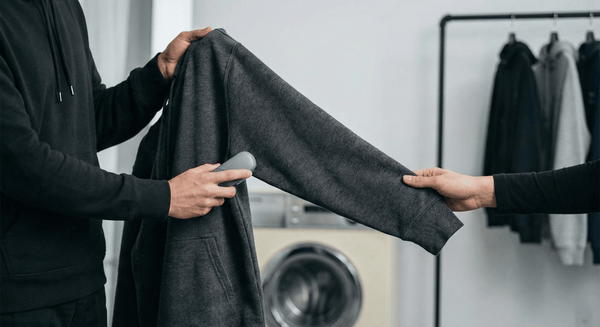
- Mid layer: the hoodie, the piece doing most of the work. If you cannot touch the thermostat and the room stays at that 68°F all session, go for 400 gsm or heavier with a dense brushed interior. If you can heat your corner, a midweight around 270 gsm (8 oz) is the better call: it holds heat through the AC cycling without turning into a furnace once the radiator catches up, and it dries overnight instead of over a weekend. Either way you want room to reach across a keyboard and a fabric that doesn't pill into a sad fuzzy mess after a month of daily wear.
- Outer layer: a flannel or light overshirt you can pull on for the coldest stretch, then peel off the moment the room warms up. Add a beanie when the room really bites. You lose a surprising amount of comfort through a cold head under headphones.
Then handle the extremities, because that's where the cold actually gets you. Thick wool socks matter more than people admit, especially on a concrete floor. Darn Tough is the buy-once brand. Fingerless gloves, the same knit pairs writers and gamers swear by, keep your palms warm while leaving fingertips free for keys and pads. A rechargeable hand warmer in the hoodie pocket between takes is a cheap trick that works.
One studio-specific rule: quiet fabrics only. Anything that rustles near a live mic is a layer you will regret. The goal is range: add or shed one piece without standing up and killing the momentum.
Heat the Person, Not the Room
Fighting the AC for the whole room is a losing battle, and most commercial studios won't let you touch the thermostat anyway. Heating your corner of it is winnable.
If you run your own room, the recording-friendly pick is an oil-filled radiator (De'Longhi is the default brand) because it has no fan. Fan heaters put a broadband whoosh straight into your noise floor, and even quiet ones click when the thermostat cycles. A radiator is slow but silent; switch it on before the session and it holds a corner of the room at workable all night. Two caveats. Safety first: keep any heater three feet from fabric and cables, plug it into the wall, never a power strip, and pick a model with tip-over shutoff, all straight from the NFPA's heating safety guidance. Second, kill anything with moving parts before you track vocals. Silence is the whole point of the room.
Two free wins while you're at it: a cheap rug under the chair if your floor is concrete, and a draft stopper under the door if your room shares a hallway with the AC's favorite vent.
Ergonomics for Long Sessions: Back, Wrists, Hands
Cold is the villain with top billing, but the chair is the one that actually ends careers. You spend a session seated, leaning forward, reaching. Ten hours of that in a dining chair is how producers end up mixing standing up in their thirties.
- The chair is equipment. Budget for it like a plugin bundle. A proper ergonomic task chair with adjustable height and lumbar support changes what hour eight feels like; a refurbished Herman Miller or Steelcase costs far less than list and outlives most relationships. If a new chair isn't happening this year, a lumbar cushion and a footrest are the budget version of the same idea.
- Stand up every 45–60 minutes. Not a wellness slogan: circulation is warmth. Two minutes on your feet while a bounce runs sends warm blood back to your hands and resets your ears at the same time. Cold plus stillness is the combination that stiffens you; break either one and you break the cycle.
- Protect the wrists. Keep them neutral: floating level over the keys, not bent up at the desk edge. If you're about to punch in a fast hi-hat pattern with cold hands, thirty seconds of fist-clench-and-spread warms the tendons the way a drummer warms up before a take.
Eye Strain in a Dark Control Room
Control rooms are dark by choice, and your screens are bright by default. That mismatch is why your eyes feel sandblasted at 2am. Three fixes, cheapest first. Follow the 20-20-20 rule the American Academy of Ophthalmology recommends: every 20 minutes, look at something 20 feet away for 20 seconds, about the length of one chorus playback with your eyes off the waveform. Drop your screen brightness to match the room instead of fighting it. And if you want the proper tool, a monitor light bar throws warm light on the desk without spilling glare onto the screen or the monitors; BenQ's ScreenBar is the one in every studio desk photo. A dimmable warm desk lamp does 80 percent of the same job.
Hydration: The Quiet Session-Killer
Air conditioning doesn't just cool the room. It dries it, and a cold room mutes your thirst signal, so you dehydrate without noticing. Dehydration reads as fatigue and bad decisions long before it reads as thirst, which in a studio means mixes that get louder and worse after midnight. The fix is boring and it works: a water bottle that lives on the desk, and a proper thermos so hot drinks stay hot past hour two. Zojirushi is the nerd-favorite, Stanley and Yeti the indestructible options. A warm drink is also the cheapest personal heater in this entire guide. One upgrade for late sessions: switch from coffee to herbal tea after hour six. The warmth keeps working; the jitters and the 4am ceiling-stare don't.
From Our Own Line: The Studio Uniform
This is the one section where we're selling our own stuff. We make these, so read it knowing that. Everything above works no matter whose hoodie you buy.
We build studio apparel because we kept living the exact problem this guide describes. If you're assembling the mid layer and the beanie from scratch, this is what we'd hand you, all of it with free worldwide shipping.


$49.99
The midweight workhorse, 8.0 oz/yd² of 50/50 fleece. The mantra is the whole lifestyle this guide assumes.

$49.99
Same weight class, embroidery instead of print, the reference stitched rather than shouted.

$29.99
Thick knit that sits flat under headphones, which is the entire brief for a studio beanie.

Fit notes for the chair, not the runway
Whatever hoodie you land on, ours or anyone's, buy it for the seated position. A boxy or relaxed cut gives your back room and stops the hem from riding up every time you stretch toward the desk. Sleeves should clear your wrists so the cuffs don't bunch under a controller. Pick a hood that sits flat against your neck instead of bulking up behind your head when you lean back to listen. None of this is fashion advice. It is ergonomics dressed as streetwear. The rest of our takes on that live in the music producer hoodies collection.
The cold-room layers
The pieces named above, built for long sessions in a cold room. Pick a color and size and add straight to cart.


Swipe for more →
Care So It Lasts
A good hoodie is an investment, and the warmth lives in the fabric. Wash it wrong and you cook out the loft that keeps you warm, leaving you with a thinner, sadder version of the thing you paid for. Cold-water washes, gentle cycles and air drying keep the weight and the shape intact far longer than a hot wash and a tumble dry ever will. We laid out the full routine, including how blends behave differently from pure cotton, in our guide on how to care for your hoodie.
FAQ: Staying Comfortable Through Long Studio Sessions
Why are recording studios kept so cold?
Because the room is climate-controlled for the equipment and the noise floor, not the people. Racks, amps and computers generate constant heat, and the AC that removes it runs hard and quiet. The thermostat is not up for a vote. Your clothing is the part you control.
What should I wear to a long studio session?
Three quiet layers: a breathable tee (with a thin thermal under it if the room runs cold), a hoodie sized for the room (400 gsm and up if you cannot touch the thermostat, a midweight around 270 gsm if you can heat your corner), and a flannel or overshirt you can shed. Add wool socks, a beanie and fingerless gloves when it bites. Avoid anything that rustles near a mic, and favor relaxed cuts that don't bind when you reach across a desk. The formula works with whatever is in your closet.
Are space heaters safe to use in a studio?
Yes, with discipline. Choose an oil-filled radiator (no fan noise), keep it three feet from fabric, foam and cable runs, plug it directly into a wall outlet (never a power strip) and pick a model with tip-over shutoff. Turn off anything with moving parts before you record. When in doubt, follow the NFPA guidance linked above; a warm room is not worth a gear fire.
How do I keep my hands warm while making beats?
Work from the core out: if your torso and head are warm, your body stops rationing blood away from your fingers. Then go direct: fingerless gloves for keyboard and pad work, a rechargeable hand warmer in your pocket between takes, and a 30-second fist-clench warm-up before fast passages. Standing up once an hour helps more than any gadget, because circulation is the actual problem.
The Bottom Line
Comfort in the studio is not about being soft. It is about removing every small distraction between you and the record, so the only thing pulling your attention is the music. The cold room is a constant; your setup doesn't have to be. Layer smart, heat your corner silently and safely, sit in a chair that isn't slowly ruining you, give your eyes and your water bottle a schedule, and you buy yourself the one thing every long session needs more of: uninterrupted hours in the chair. Most of that list has nothing to do with us — and if the hoodie part does, you know where to find us.
Wear it
The pieces this guide is built around. Every one ships free worldwide.