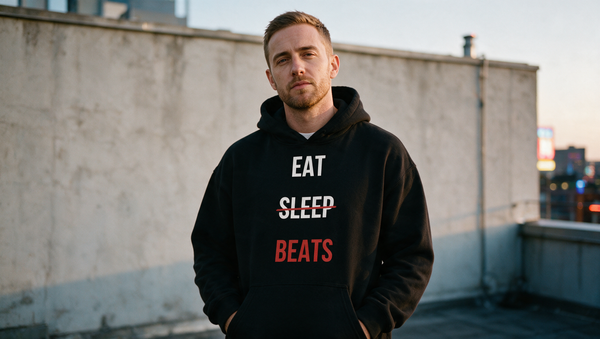

Hip Hop Beanies: The Complete Guide for 2026

Hip hop beanies have outlasted every trend the culture has chased. While logos rose and fell and silhouettes ballooned and shrank, the knit cap stayed welded to the head of every producer hunched over a console and every rapper stepping out of a green room. The best hip hop beanie is not a fashion statement you have to think about. It is the thing you grab on the way out the door because it works. This is the complete 2026 guide to how the people behind the music wear them, why the beanie still matters, and which fits earn a spot in your rotation.
What to wear it with
Four pieces that match what you are reading. Free shipping, no minimum, 14 day returns.
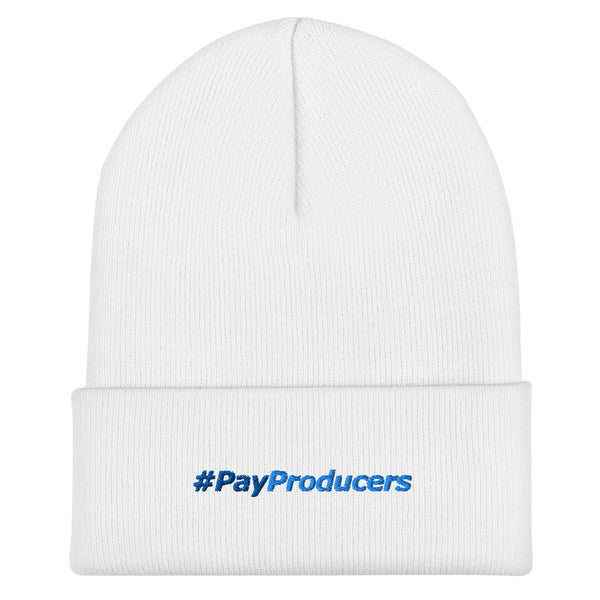

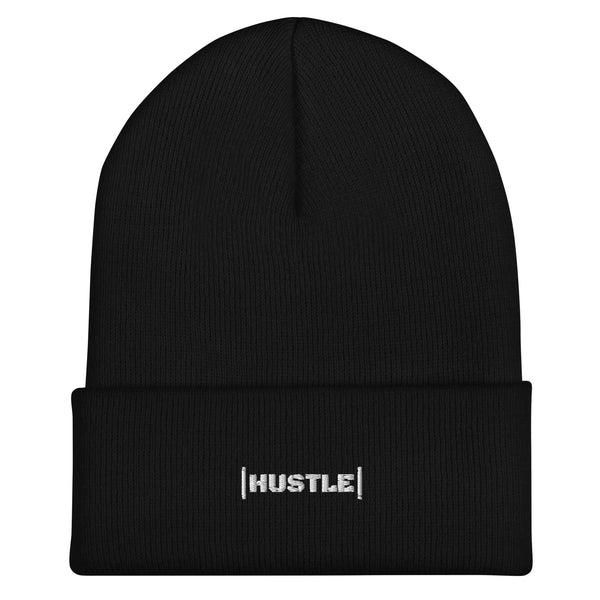
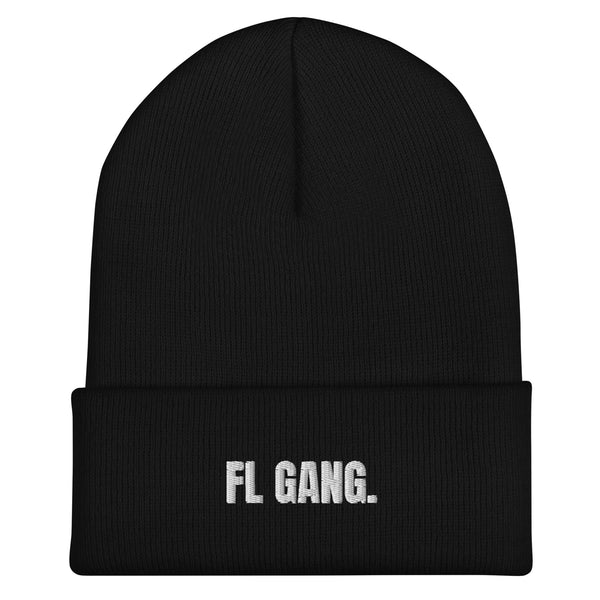
Why the beanie is a hip hop staple
The beanie earned its place honestly. It started as workwear, warm headgear for people who spent long hours in cold rooms, and the studio is that kind of room. HVAC runs hard to keep gear from overheating, sessions stretch past sunrise, and a thin layer of knit over your ears is the difference between locked in and distracted. Function came first. The culture made it iconic after.
There is also the matter of the unwashed-hair hour. Anyone who has lived inside a project knows the look of day three: the hat goes on, the work continues, nobody questions it. A beanie for producers is camouflage and comfort in one piece, the same instinct behind the rest of a beatmaker's studio wardrobe. It signals that you are here to make something, not to be looked at. That quiet confidence is the whole point.
Cuffed vs uncuffed: choosing your fit
Every beanie decision starts here, and it is mostly about how much fabric sits above your forehead. The cuff changes the whole read of the cap.
The cuffed beanie
A cuffed beanie has a folded band at the bottom, which gives it structure and a clean line across the brow. This is the safe, classic fit. It sits tight, frames the face, and reads sharp on camera. If you want one beanie that does everything, get a cuffed one. It works under studio lights and on a cold corner waiting for the cab.
The shape has a paper trail. Menswear publication Heddels tracks the cuffed knit cap through its service name, the watch cap, and describes it as a knitted cap with a large folded cuff in wool or cotton, a silhouette standardized by the US Navy in the early to mid twentieth century. The fold you are wearing is the part that got standardized.
The uncuffed (or rolled) beanie
Uncuffed beanies, sometimes called rolled or fisherman fits, sit higher and looser with a slightly slouched crown. This is the relaxed, lived-in look that has dominated streetwear for years. It reads casual without trying, which is why it reads cool. Producers tend to gravitate here because it does not demand precision; you pull it on and it falls right.
The short or docker fit
The newer entry is the cropped docker beanie that barely covers the ears. It is minimal, a little utilitarian, and pairs well with sharper fits. If your wardrobe leans clean over baggy, this is your shape.
Embroidery and graphics that signal the culture
A blank beanie is fine. A beanie that says something is better. The shift over the last few years has been toward embroidery over print, because thread holds up to weather and washing in a way that screen ink on knit never will. Embroidered graphics also sit flush with the fabric, so they look intentional instead of slapped on.
That durability sits in the thread itself. Madeira, which has been making embroidery thread since 1919, specifies its Polyneon 100% polyester line as having extreme washing resistance to chlorine and bleach, rated to survive frequent heavy-duty industrial laundering. Next to that, a cap you throw in with the darks is a soft test.
The graphics worth wearing are the ones that mean something inside the room. A small 808 reference, a waveform, a nod to the gear that defines your sound. These read as inside jokes to other makers and as clean design to everyone else. That is the line Ghostnote draws: never printed for fans, always built for the people doing the work. The same logic that shapes our hip hop tees shapes the headwear. The message is for the people who get it.
Skip the loud all-over logo wraps. They date fast and they say less than a single well-placed mark. Restraint signals that you have nothing to prove.
Beanies in the studio and on camera
The beanie pulls double duty, and the two jobs ask for slightly different things. In the studio, comfort wins. You want a soft knit that does not itch after eight hours and does not trap so much heat that you sweat under the lights. A mid-weight acrylic or cotton blend hits the sweet spot.
For a sense of that spec, Carhartt WIP lists its Acrylic Watch Hat at 100% acrylic, 9 gauge, in a stretch rib knit standing 23.5 cm (9.1 in) tall. That is the build to look for: enough body to hold a cuff, enough give to sit on any head.
On camera is where the fit gets tactical. A beanie cleans up a frame instantly. It removes the variable of hair, it draws the eye to your face, and it adds a layer of texture that flat hoodies cannot. For anyone shooting content or a video, the cap is one of the cheapest upgrades to how you read on screen. If you are putting a shoot together, it pairs naturally with the rest of your rapper video-shoot accessories, the small pieces that make a frame look finished without looking staged.
One practical note: match the beanie color to your fit, not to a logo. A black cap with a charcoal hoodie reads more expensive than any branded contrast ever will.

The GNX-inspired beanie and standout picks
If you want one beanie that captures where the culture sits in 2026, start with the GNX-inspired beanie. It takes the clean cuffed shape, keeps the embroidery tight and meaningful, and lands in a colorway that works with almost everything in a producer wardrobe. It is the kind of cap that disappears into your daily rotation and then turns up in every photo because you never take it off.
Beyond that flagship, build out with a couple of variations, like the beatmaker beanie, so you are not washing one cap on repeat. A black cuffed fit for camera days. A neutral uncuffed slouch for the long sessions. Maybe a docker fit for when the rest of the look is dressed up. Three caps cover every situation a maker walks into, from a 3 a.m. mix to a daylight shoot.


For nine third-party picks measured against the same tests, see the best beanies for rappers and producers. Whatever you pick, judge it by the same three things: the knit feels good against the skin for hours, the embroidery is clean and means something, and the fit holds its shape after a wash. Everything else is noise.
Build your beanie rotation
The beanie is the lowest-effort, highest-return piece in a maker's wardrobe. It keeps you warm in a cold room, cleans up your frame on camera, and signals the culture without saying a word. Get the fit right and it becomes part of how people picture you.
Ready to pick yours? Pull from the full range of hip hop beanies built for producers and rappers who live in the studio, and find the one that earns a permanent spot on your head.
Wear it
The pieces this guide is built around. Every one ships free, no minimum.