What Audio Engineers Wear in the Studio

Ask most people what an audio engineer wears and you get a blank stare. That is the point. The engineer is the person nobody photographs, the one who keeps the session moving while everyone else takes the credit. But what audio engineers wear matters more than the work gets noticed for. Mixing engineer outfits are built around long hours, cold rooms, and the kind of quiet focus that does not survive an itchy collar or a hoodie that rides up every time you reach for a fader. This is the real audio engineer clothing guide, written for the people behind the console, not the ones in front of the camera.
The engineer is invisible, the work is everything
There is a reason audio engineer style leans plain. The job is to disappear into the work. No mixing engineer ever lost a client over a boring outfit, but plenty have lost a take to gear that distracted them at the wrong moment. The uniform is functional by design. Dark colors, soft fabrics, nothing that begs for attention. The flex, if there is one, is subtle: a small graphic, a fit that sits right, a piece that says you know studio culture from the inside. That is the same instinct that shapes what music producers wear, and it carries straight over to the desk.

Comfort for 10-hour mix sessions
A mix session does not respect the clock. You sit down to fix one snare and look up six hours later. Whatever you wear has to survive that without becoming a problem. Comfort here is not about being soft for the sake of it, it is about not noticing your clothes at all. The moment you are aware of a waistband cutting in or a sleeve bunching at the elbow, your attention has left the mix.
The core of any mixing engineer outfit is a relaxed fit that moves with you in a chair. You are reaching, leaning, turning to talk to the artist, then back to the screen. A boxy tee or an unstructured hoodie gives you that range. Avoid anything stiff, anything new enough to still feel like cardboard, anything you would not want to wear two days running, because you will end up wearing it two days running.
- Pick fabric that breaks in fast and stays soft after washing.
- Go a half size up before you go tight. Room beats restriction.
- Keep a worn-in layer at the studio so you are never caught in something fresh and scratchy.
Warmth for cold control rooms
Control rooms run cold on purpose. The gear generates heat, the air conditioning fights it, and the result is a room kept several degrees below comfortable so the equipment stays happy. You, sitting still at the desk for hours, are the one who pays for it. Producers and artists move around. The engineer barely leaves the chair, so the cold finds you first.
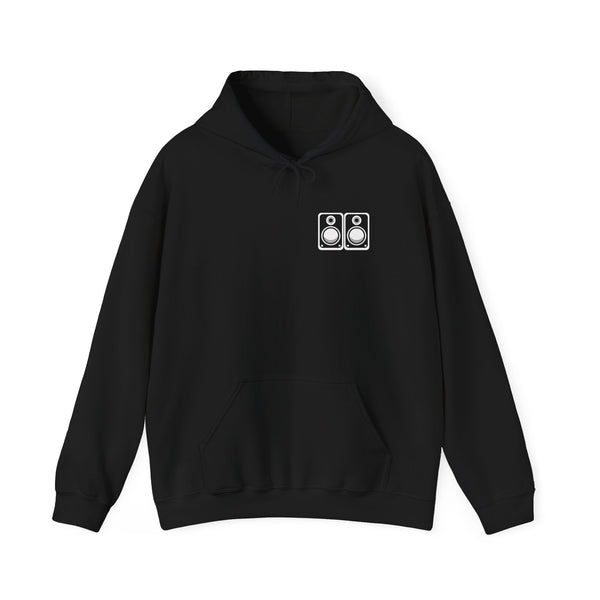
This is why a good hoodie is the engineer's most-used piece. The one that works is a midweight fleece with enough substance to hold heat through a long stretch of sitting still. Layering matters too. A tee under a hoodie lets you adjust as the room shifts, peeling down when the gear runs hot and zipping up when the AC wins. The right engineer hoodies do the quiet work of keeping you in the chair and in the flow instead of breaking focus to chase warmth.
Why fabric weight matters
A thin hoodie feels fine for ten minutes. After three hours of stillness it does nothing. Density is what holds heat over time, and it also means the garment drapes instead of clinging, which keeps it quiet when you move. Weight is the feature here, not a downside. The useful band is midweight fleece, about 8 oz/yd² (271 gsm). Heavier than that and you are dressing for outdoors in a room with a thermostat, then sitting in something that takes a day to dry out.
Quiet, functional, distraction-free
This is the rule that separates audio engineer clothing from regular streetwear: it has to be silent. A microphone in a live room will catch a nylon jacket rustling from across the floor. Even at the desk, jingling zippers, loud bracelets, and crinkly fabrics pull at your own attention. The best engineer fits make no sound at all.
Function follows the same logic. You want a chest pocket or a deep front pocket for a phone you check constantly. You want a hood you can pull up to cut out a bright room without reaching for a switch. You want sleeves that push up and stay up. Nothing decorative that gets in the way, nothing loose enough to knock a knob. Clean engineer tees handle the warm-room hours, and a hoodie covers the cold ones, and between the two you have a setup that never asks for your attention.
Looking the part for clients
Most of the time it is just you and the speakers. But sessions fill up. The artist brings their manager, a label rep shows up, someone's friend films a vlog in the corner. In those moments the engineer is still the calm center of the room, and looking the part is part of the job. Not dressed up, just deliberate.
The move is a fit that reads intentional without trying. A clean midweight hoodie in a dark color, a tee with a graphic that signals you live this world rather than shouting a brand at people. Subtlety is the whole point. The clients should trust you on sight, the way they trust a tech who clearly knows the room. That is the spirit behind every piece in our audio engineer outfits lineup: built for the people who run the session, never printed for fans of it.

Shop the console rotation
Four pieces built for the booth — pick a color and size and add straight to cart.


Build your console rotation
You do not need a closet full of gear. You need a small rotation that covers every kind of session and survives heavy use. Think of it the way you think about a signal chain: a few reliable pieces that work together every time.
- Two midweight fleece hoodies. One always at the studio, one in the wash. The cold room never wins.
- Three soft tees. Your warm-room layer and your base under the hoodie. Dark, broken-in, quiet.
- One comfortable bottom. Built for the chair, soft enough for a twelve-hour day, plain enough to forget about.
- One piece that reads to clients. The fit you reach for when the room fills up and you want to look like the person in charge of the sound.
Buy pieces that take a beating and wash well, because everything you own will be worn into the ground. If you are putting together a list for the engineer in your life, or building your own, our gifts for audio engineers guide covers the same ground from the giving side.
The engineer's job is to make everything sound right while staying out of the frame. Your clothes should do the same: comfortable enough to forget, warm enough for the coldest control room, quiet enough to never reach a mic. When you are ready to build that rotation, start with the audio engineer outfits made for the people behind the console.
Wear it
The pieces this guide is built around. Every one ships free worldwide.